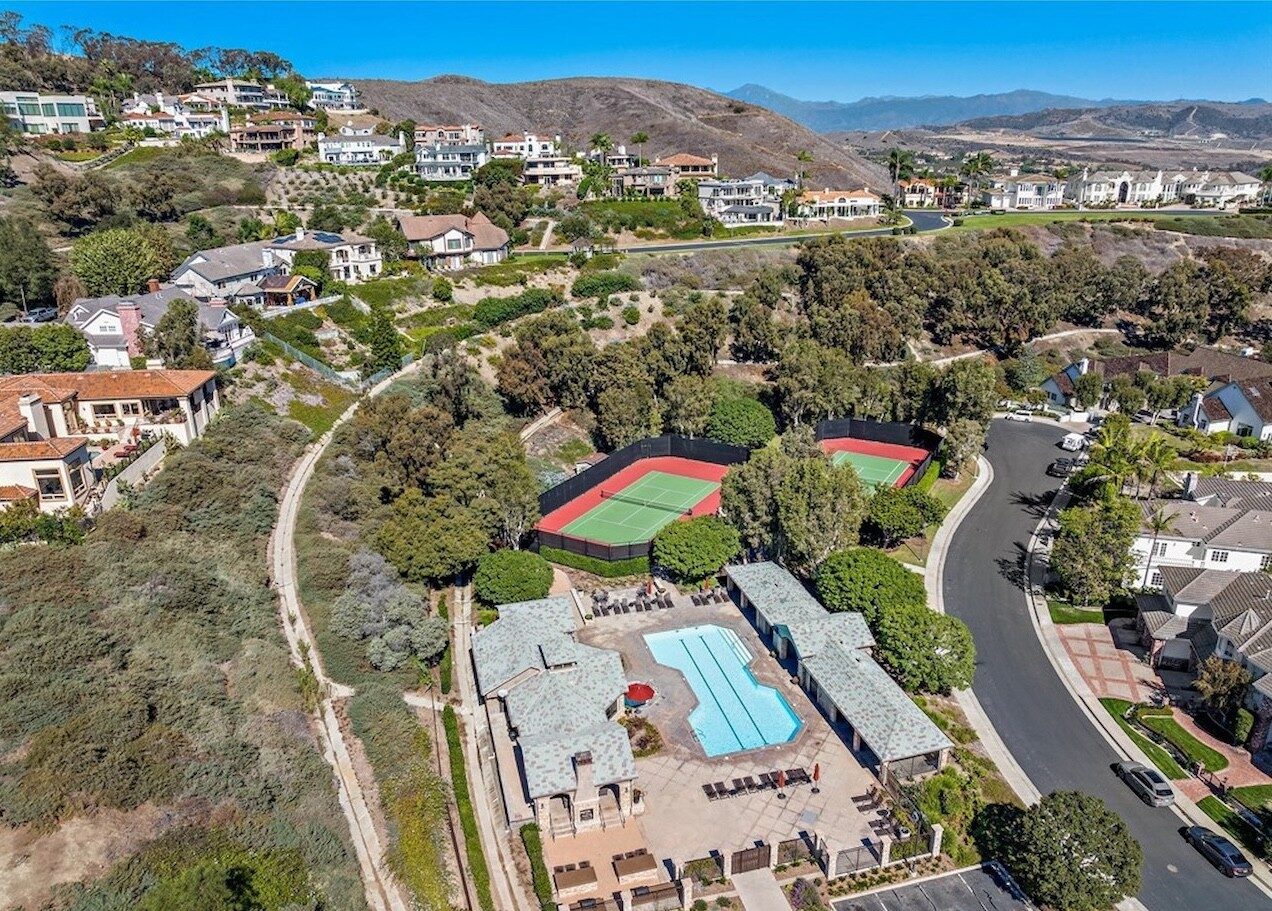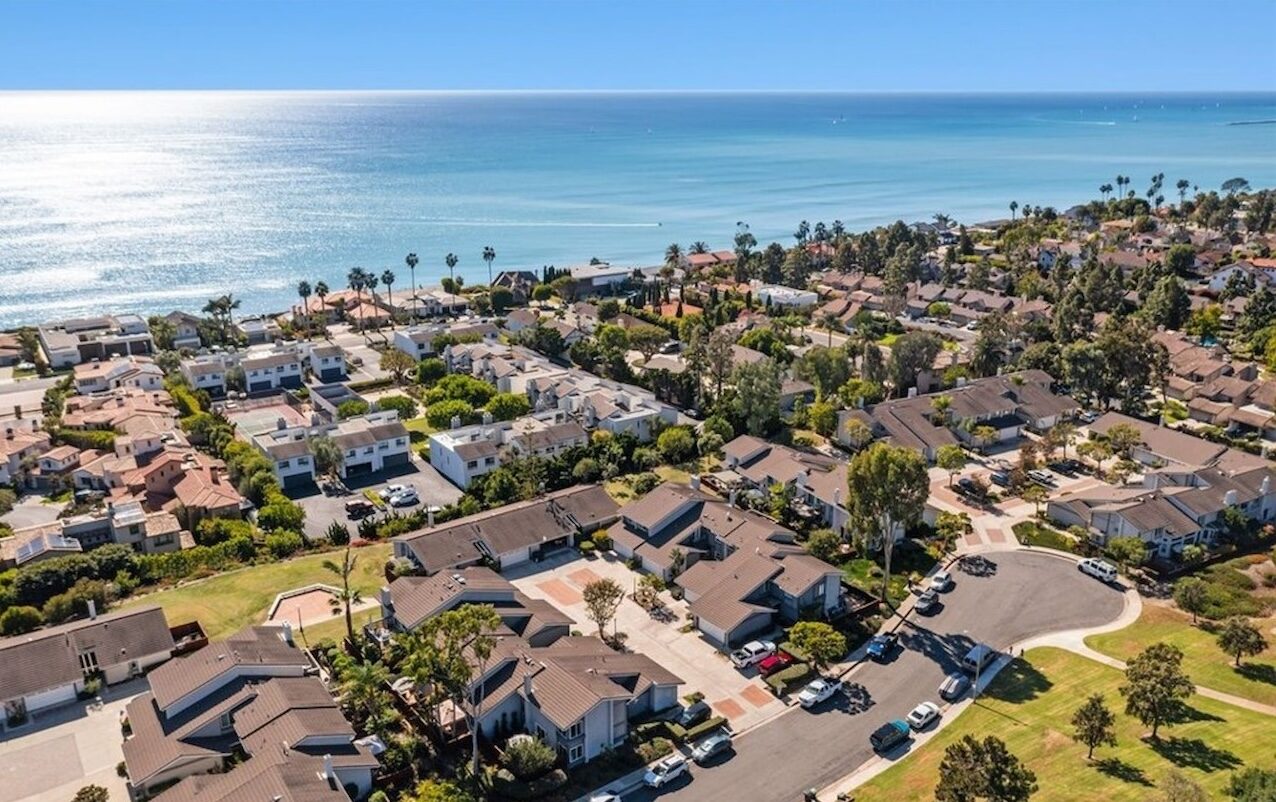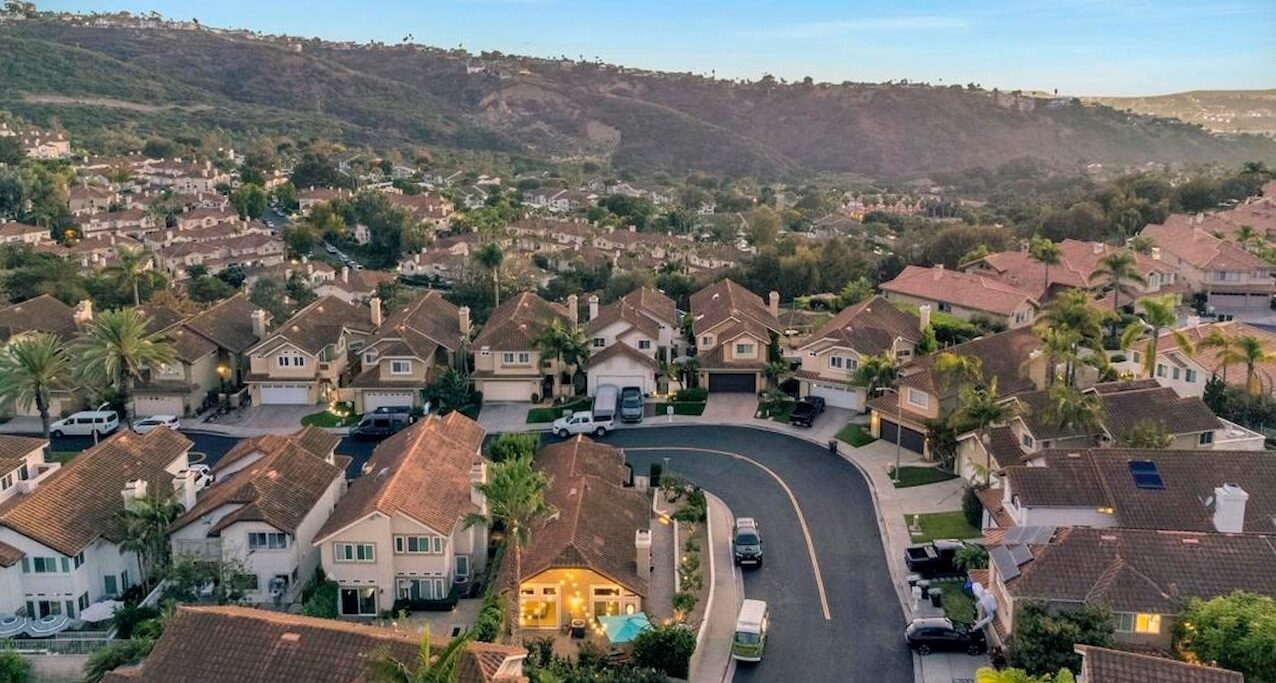
If you've driven the coast near the northern edge of San Clemente and noticed rows of tile-roofed homes stepping toward the ocean, you've seen Sea Summit. It sits on what locals know as Marblehead Coastal, one of the last big coastal parcels in Orange County to be developed, and it was built as four distinct neighborhoods named Azure, Aqua, Sapphire and Indigo.
From a distance they look alike: Spanish-style architecture, tile roofs, stucco, arches. Up close they differ in the things that matter most when you buy: how the homes sit relative to the preserve and park, how big they are, how they're clustered, and what you pay each month beyond the mortgage. This guide breaks down what public sources say about each tract, flags where those sources disagree, and gives you a checklist for verifying the details on any specific home.
A quick honesty note before we start. Details on a community like this come from builder pages, brokerage guides and older forum posts, and they don't always agree. Home counts, square footage ranges and fee figures differ between sources, and some information dates from the original sales period. We've called out the conflicts instead of picking a number, and every figure here should be confirmed for the specific address with the seller's disclosures, the HOA and the title documents.
What is Sea Summit in San Clemente?
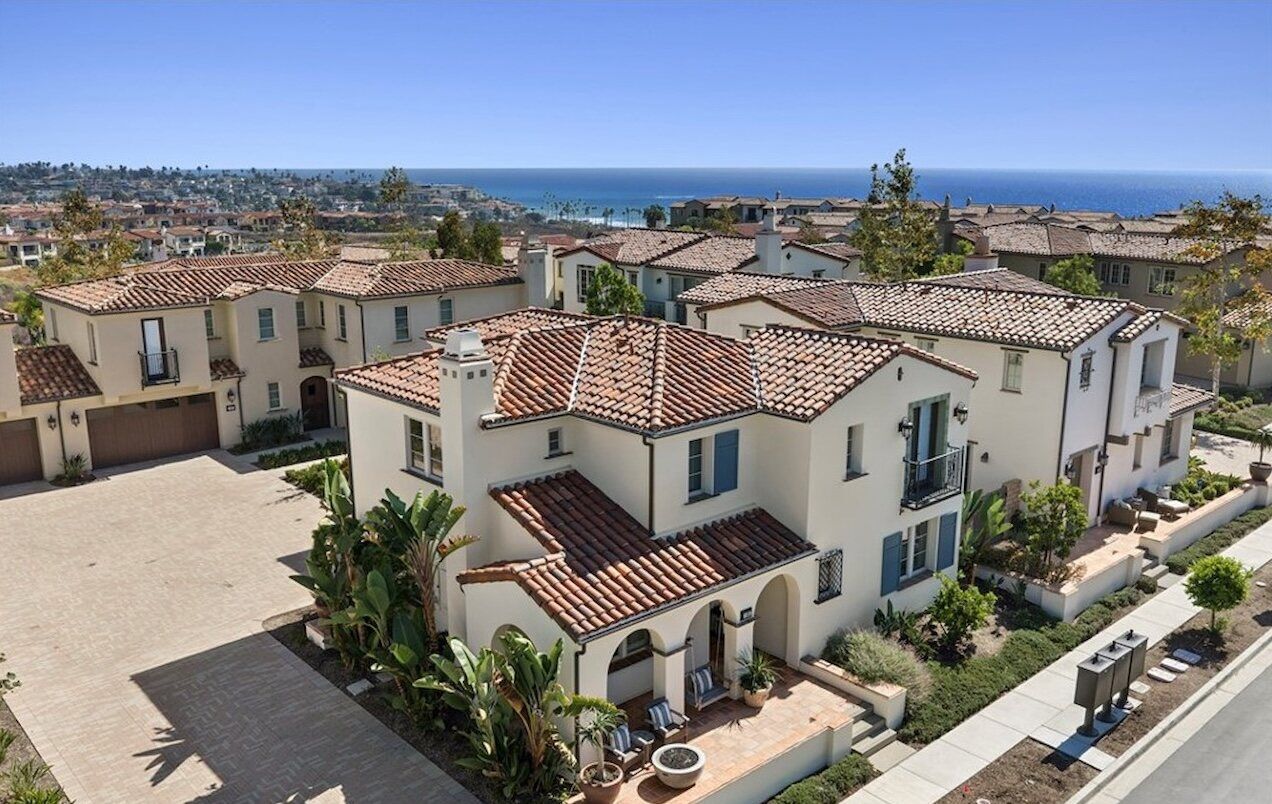
Sea Summit is a master-planned coastal community on the former Marblehead Coastal property, built as four neighborhoods: Azure, Aqua, Sapphire and Indigo.
| Detail | What sources say |
|---|---|
| Setting | Master-planned coastal community on the former Marblehead Coastal property |
| Neighborhoods | Four: Azure, Aqua, Sapphire, Indigo |
| Builder | Taylor Morrison, per community and brokerage pages |
| Number of homes | About 309 per the community's own materials; one realtor blog says roughly 320 |
| Home sizes | About 2,212 to 4,710 square feet with four to five bedrooms, per one brokerage guide; another source describes Indigo plans of roughly 4,937 to 5,544 square feet |
| Architecture | Spanish-style, with tile roofs, stucco and arched details |
| HOA dues | Recent listings have shown around $330 to $340 per month, per a local brokerage guide (undated) |
| Special tax | One guide states homes include association dues and Mello-Roos; confirm status and remaining term |
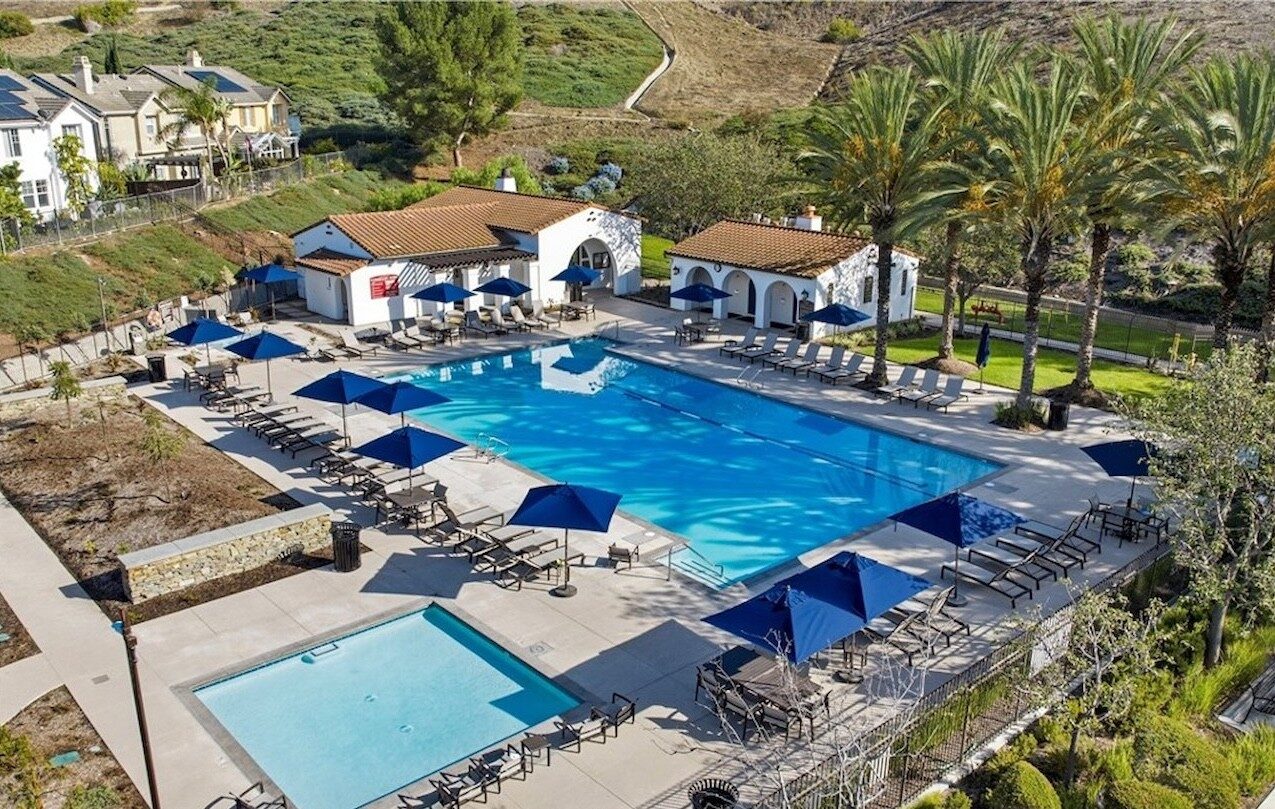
| Amenities | Clubhouse (the Summit Club), resort-style pool, spa, fitness center, barbecues, outdoor fireplace |
| Trails and open space | About four miles of walking trails, a native preserve and Ocean View Park |
If those numbers feel slippery, that's normal for new-build communities where plans were released in phases and listings span many years. The most reliable figure for any home is the one on its own disclosure package.
From Marblehead Coastal to Sea Summit
Marblehead Coastal became Sea Summit when that parcel was developed as a single planned community of roughly 300 homes in four neighborhoods. The land Sea Summit sits on was known for years as Marblehead Coastal, described as one of the last large coastal parcels in Orange County. Developing it took a long time, and the result is a community of roughly 300 homes arranged into four neighborhoods, with open space preserved as part of the plan. That history explains why the community feels distinct from the rest of San Clemente: it was designed as one project, with consistent architecture, shared amenities and a deliberate relationship to the preserve and the ocean.
It also explains why information about Sea Summit can be inconsistent. The community was sold in phases over a number of years, plans were adjusted along the way, and older articles and forum posts describe earlier releases. When two sources disagree, assume both may be right for different phases, and check the specific home's documents.
What the four neighborhoods have in common
All four neighborhoods share the same master community, amenities, architectural character and type of fee structure. Every Sea Summit home sits inside the same master community with the same amenities, the same architectural character and the same type of fee structure. That consistency is part of the appeal: you're buying into a planned neighborhood where the look, landscaping and common areas are maintained to a standard.
- Spanish-style design. Tile roofs, stucco walls and arched details echo the look San Clemente has been known for since the 1920s.
- Newer construction. Open floor plans, modern kitchens and newer systems are the norm, which usually means fewer immediate repairs than a vintage cottage.
- Shared amenities. A clubhouse with a resort-style pool, a spa, a fitness center and outdoor gathering areas serve all four tracts.
- Trails and open space. Walking trails and a native preserve wind through and around the community, with Ocean View Park among the green spaces.
- An HOA. Dues, rules and architectural guidelines apply, as in most master-planned communities.
Aqua: courtyards and a close-knit layout
Local guides describe Aqua as the most intimate of the four, with homes organized around shared courtyards and situated near the Summit Club. If you like the idea of a tighter cluster and a short walk to the pool and fitness center, that layout is the draw.
On size, the builder's Aqua page lists residences starting around 2,212 square feet, with a three-bedroom plan around 2,336 square feet, which places Aqua among the more compact plans in the community. Compact is relative here: these are still full-size single-family homes.
What to verify in Aqua
- How close the home is to the clubhouse, and whether that means convenience or more activity near the front door
- How the courtyard is shared, and what the rules are for common areas
- Parking, garage layout and guest parking in a clustered design
- The exact view, since courtyard layouts can limit or frame outlooks differently than a street-facing lot
Azure: the most varied of the four
Azure is described as the most diverse neighborhood, with spacious homes adjacent to the native preserve or Ocean View Park. Where Aqua is about layout and clustering, Azure is about setting: depending on the street, you might back onto open space or sit beside a park.
Older forum posts from the original sales period said Azure had larger lots within a still-dense community, and that view premiums were discussed with the sales office. Those are anecdotal and dated, but they point to something that holds true in hillside coastal communities: the lot and its orientation matter at least as much as the tract.
What to verify in Azure
- What the home actually backs onto: preserve, park, street or another home
- Setbacks and any restrictions related to the preserve or park edge
- Whether the view is protected or could change with future development or landscaping growth
- Lot size and usable yard, which can vary a lot across the tract
Sapphire: next to the preserve and trails
Sapphire is the tract with homes that access the native preserve and trails directly. If a trail out the back gate and an open-space edge are what you want, this is where guides point you. An older blog post from the original sales period described Sapphire homes at roughly 3,460 to 3,923 square feet, which may reflect an early release, so treat it as a rough indicator.
What to verify in Sapphire
- The type of access to the preserve and trails, and any rules about gates or use
- Fire-safety and landscaping requirements for homes next to natural open space
- Privacy and sightlines at the preserve edge
- Home size, since plans and releases vary over time
Indigo: the larger plans
Indigo is described by the builder as having larger residences, with plans in the range of roughly 4,937 to 5,544 square feet on the builder's Indigo page. That's above the 2,212 to 4,710 range quoted by one brokerage guide for the community overall, which is a good example of why you should confirm the plan and square footage for each home you tour.
Larger plans usually come with more rooms, more flexibility for home offices or guest space, and a higher price and monthly carrying cost. They can also mean larger heating, cooling and maintenance needs, so run the numbers beyond the purchase price.
What to verify in Indigo
- Actual square footage and how it's measured, since public records and plans can differ
- How the larger footprint sits on the lot and how much usable outdoor space remains
- Utility and maintenance costs for a larger home
- Whether any Mello-Roos obligation changes with the size or timing of the original purchase
How do the four Sea Summit tracts compare?
The four tracts differ mainly in layout, setting and size: Aqua is described as the most intimate, Azure the most varied, Sapphire has direct access to the preserve and trails, and Indigo has the larger plans.
| Aqua | Azure | Sapphire | Indigo | |
|---|---|---|---|---|
| Described as | The most intimate layout | The most varied | Homes with direct access to the preserve and trails | The larger plans |
| Typical setting | Shared courtyards near the Summit Club | Beside the native preserve or Ocean View Park | Backing to the preserve and trails | Larger homes within the community |
| Size signals | From about 2,212 sq ft | Spacious homes | Early releases about 3,460 to 3,923 sq ft | Plans of about 4,937 to 5,544 sq ft |
| Best check | Parking and shared-space rules | What the lot backs onto | Preserve access and landscaping rules | Real square footage and costs |
Want current Sea Summit listings and recent sales by tract? Alex can pull them and compare the four side by side.
The shared amenities
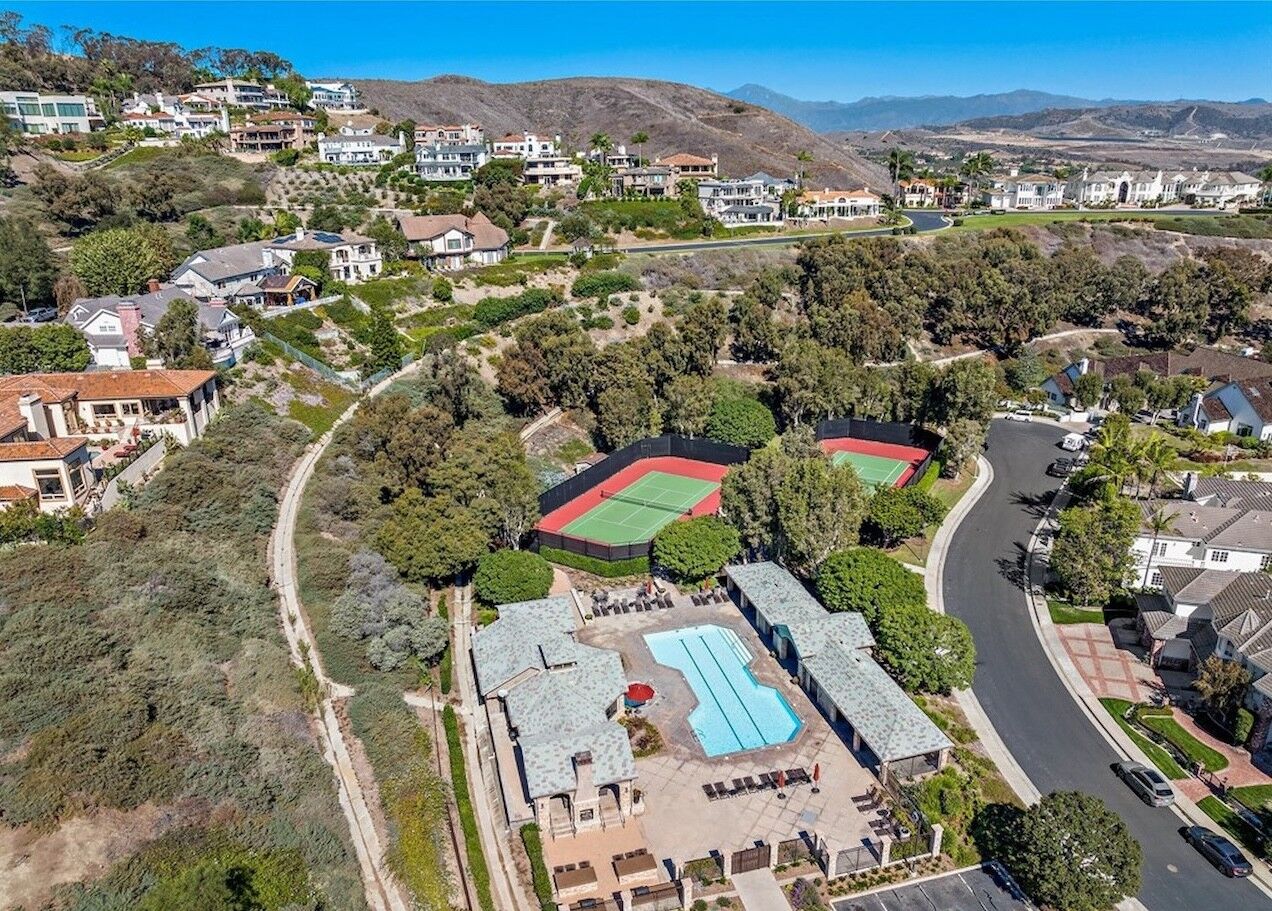
Sea Summit residents share a clubhouse, a resort-style pool, a spa, a fitness center, barbecues and an outdoor fireplace, along with about four miles of walking trails, according to a local brokerage guide. One of the biggest differences between Sea Summit and an older coastal home is what's on the property beyond your lot. Those amenities are a large part of what your monthly dues support.
| Amenity | What it adds to daily life |
|---|---|
| Clubhouse and fitness center | Workouts and gatherings without leaving the community |
| Resort-style pool and spa | A shared place to swim and unwind |
| Barbecues and outdoor fireplace | Outdoor space for evenings and get-togethers |
| About four miles of walking trails | Walks and runs from your front door |
| Native preserve | Open space woven through and around the community |
| Ocean View Park | A park setting with views, within the community |
A practical tip: visit the amenities at the times you'd actually use them. A pool on a quiet weekday morning and the same pool on a summer Saturday are very different experiences, and you want to know which one you're signing up for.
What does a Sea Summit home cost beyond the price?
Beyond the price, a Sea Summit home carries HOA dues and a Mello-Roos special tax, on top of regular property taxes and insurance. A planned community comes with recurring costs that older coastal homes may not have.
HOA dues
A local brokerage guide reports that recent active listings have shown HOA dues of around $330 to $340 per month. That article carries no date, so treat the number as a ballpark and get the current figure from the HOA or the listing's disclosure packet. Dues typically fund common-area maintenance, amenities and reserves, but what exactly is covered, and how much is set aside for future repairs, is worth asking about directly.
Mello-Roos
Mello-Roos is a special tax used in California to fund infrastructure for new communities. One brokerage page states that homes in Sea Summit include association dues and Mello-Roos. Older forum posts from the original sales period quoted lower numbers than you'd see today, which is a reminder to rely on current paperwork, not old anecdotes. A local guide recommends confirming each home's Mello-Roos status and remaining term in its disclosures, and requesting the HOA dues, the CC&Rs and the reserve study. You can read more about how these taxes work on Wikipedia's Mello-Roos page and on the California Debt and Investment Advisory Commission site.
Property taxes and insurance
Property taxes in California generally start from your purchase price, and the Orange County Treasurer-Tax Collector's site, octreasurer.gov, is the place to look up how the county handles tax bills. Insurance quotes are worth getting early, since coastal and hillside properties can have different considerations.
| Cost | What to ask for |
|---|---|
| HOA dues | Current monthly amount, what it covers, and any planned increases |
| Mello-Roos | The annual amount, how it's calculated, and the remaining term |
| Property taxes | An estimate based on your purchase price |
| Insurance | Quotes for the exact address, including any hillside or coastal factors |
| Special assessments | Any pending or approved assessments and the reserve study |
| Utilities and upkeep | Typical costs for the plan size, especially for larger homes |
A simple way to compare homes is to add the mortgage payment, property taxes, Mello-Roos, HOA dues and insurance into one monthly number. Two homes with the same price can come out very differently once those pieces are included, and your lender can help run the scenarios. The Consumer Financial Protection Bureau's Owning a Home tools are a good neutral guide to the mortgage side.
Want a true monthly cost for a specific Sea Summit home, with HOA and Mello-Roos included? Ask Alex
Views, lots and what's next door
Views and lots vary home by home in Sea Summit, so the exact home matters more than the tract name. Ocean views are a big part of why people look at Sea Summit, but views here vary lot by lot. Forum posts from the early sales period described them as ranging from peek-a-boo to wide open, and that's still the right mental model. The tract name tells you roughly how the neighborhood is laid out, but only the exact home tells you what you'll see from the kitchen window.
- Visit at the right time. Stand in the main living spaces at sunset and in the morning to see how light and views change.
- Check from inside, not just the yard. A view from a second-floor balcony isn't the same as a view from where you'll live day to day.
- Ask about what could change. Landscaping growth, neighboring plantings and any planned development can all affect views.
- Understand the edges. Homes beside the preserve or a park may have rules about fencing, planting and use.
- Compare recent sales on the same street or tract, not the whole community.
A pre-offer checklist for any Sea Summit home
Before offering, confirm the exact plan, square footage and lot, the HOA documents, the Mello-Roos amount and term, and the view, then compare recent sales on the same tract or street.
| Check | Why it matters |
|---|---|
| Tract and plan | Confirm the exact plan, square footage and lot, since sources vary |
| HOA documents | CC&Rs, rules, budget and reserve study show how the community is run |
| Mello-Roos | Annual cost, formula and remaining term affect your monthly total |
| View and orientation | Verify from the main rooms at different times of day |
| Edges and neighbors | Preserve, park or street adjacency changes privacy and rules |
| Modifications | Ask what was added or changed and whether it was approved and permitted |
| Systems and warranty | Newer homes still need inspections; ask about remaining warranty coverage |
| Recent comparable sales | Use the same tract or street, not the community as a whole |
Ready to compare Sea Summit with other San Clemente neighborhoods? Browse listings, compare areas, or talk it through with Alex.
How does Sea Summit compare with other parts of San Clemente?
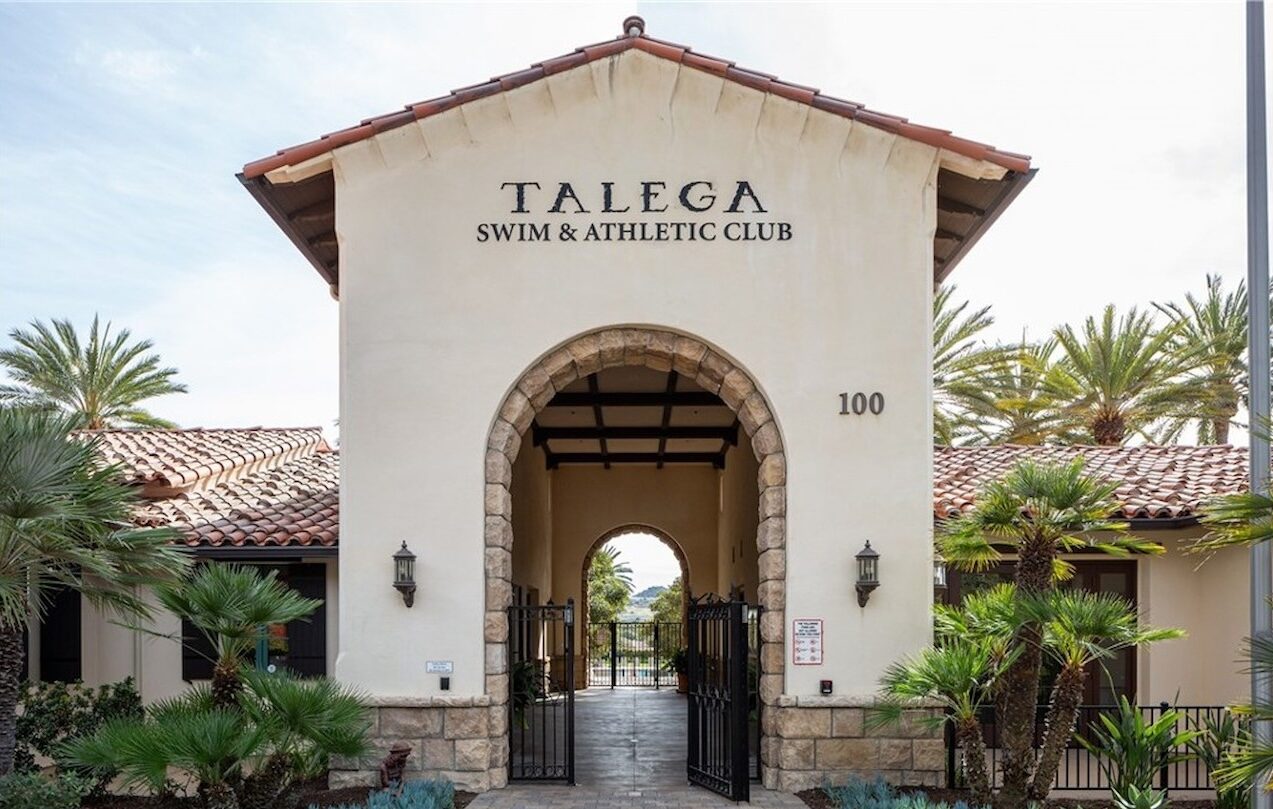
Sea Summit sits in the newer, planned corner of San Clemente's housing landscape. If walkability to the pier and Downtown is the priority, the Downtown and Pier Bowl put you closer to the sand and the shops, though in older homes on smaller lots. If you want a larger planned community with its own parks, a golf club and a swim and athletic club, Talega is the closest comparison, and our Talega HOA and Mello-Roos guide breaks down its costs. For a hillside setting with more inland space, look at Forster Ranch.
For a head-to-head on how two very different areas feel day to day, read Pier Bowl vs. Talega, and see our neighborhood comparison for all six areas. The market update covers citywide prices, and a local agent can pull recent Sea Summit sales for the exact tract you like.
Buying a newer home: what's different
Buying a newer home in Sea Summit means more modern systems and fewer surprises like old plumbing, but the due diligence shifts rather than disappears. Sea Summit homes are newer than most of what you'll see in San Clemente, which changes the buying experience in a few ways. Systems tend to be more modern and floor plans more open, and you're less likely to find surprises like old plumbing or unpermitted additions. But newer doesn't mean problem-free, and some of the due diligence shifts to different questions.
- Inspect anyway. New or newer homes can have settling, drainage or workmanship issues that an inspection will catch.
- Ask about warranties. Find out what coverage, if any, remains and how a claim would work.
- Review what the owners changed. Upgrades and modifications should be approved by the HOA and permitted where required.
- Understand the HOA's role. Architectural guidelines shape what you can do with landscaping, exteriors and outdoor structures.
- Check the paperwork on fees. HOA dues and Mello-Roos are central to the monthly cost and to resale.
A good rule is to treat a newer home like any other major purchase: verify, inspect and compare. Our buying guide walks through the full process, including a deeper inspection list for coastal and hillside properties.
Living here: trails, parks and the outdoors
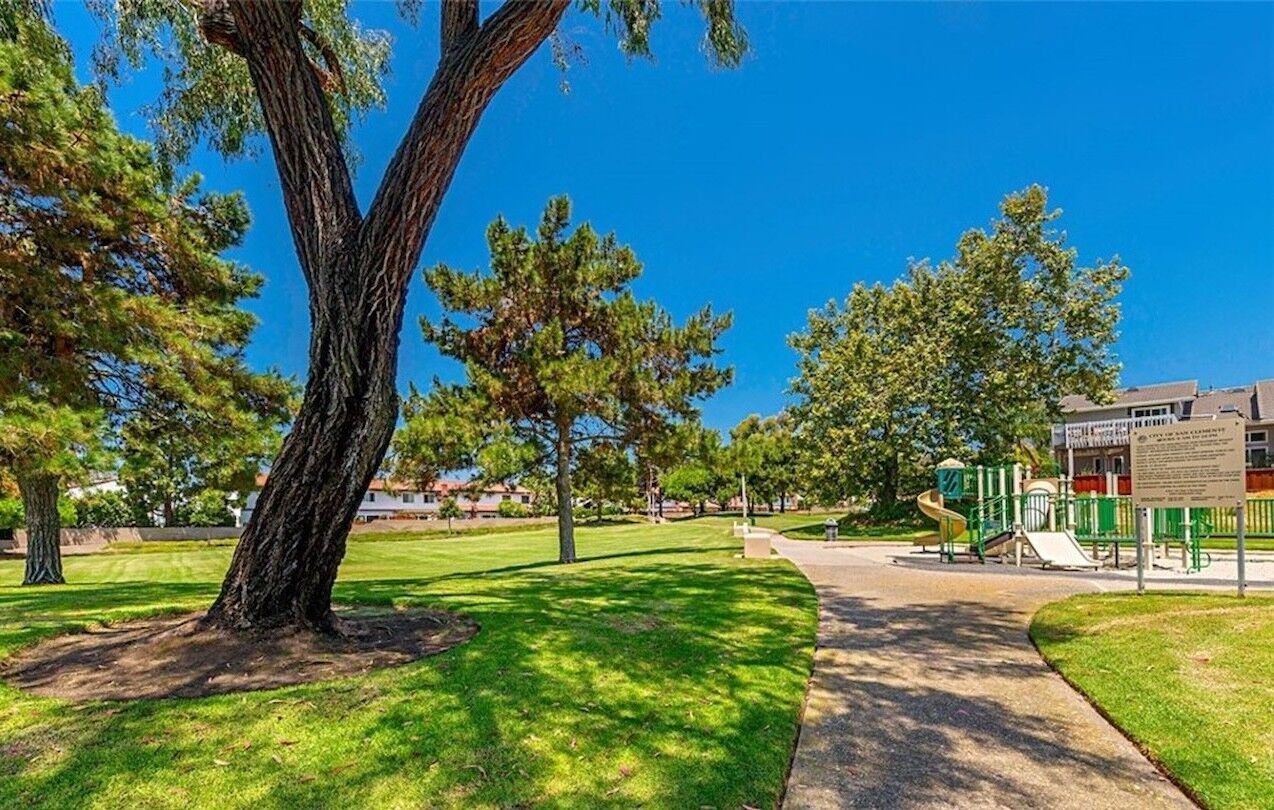
The outdoors is built into Sea Summit's design. The walking trails and native preserve give you somewhere to go without getting in the car, and beyond the community the Sea Summit Trail runs along the cliffs with trailheads near Pico Park and North El Camino Real. Some local guides suggest January to March for spotting migrating gray whales from elevated viewpoints. For the broader picture of trails, see our parks and trails guide, and for beaches nearby, our beaches guide.
For official information about the community and the city, the City of San Clemente is the starting point, and San Clemente's Wikipedia page gives useful background on the town's history and character.
Frequently asked questions about this topic
What are the four neighborhoods in Sea Summit?
Azure, Aqua, Sapphire and Indigo, built by Taylor Morrison as part of the Sea Summit community on the former Marblehead Coastal property.
How many homes are in Sea Summit?
The community's own materials cite about 309 homes, while one realtor blog says roughly 320. Confirm with the HOA or a title report.
How big are the homes?
One brokerage guide gives a range of about 2,212 to 4,710 square feet, while the builder's Indigo page describes plans of roughly 4,937 to 5,544 square feet. Verify the square footage of the exact home.
What are the HOA dues?
A local brokerage guide reports recent listings with dues of around $330 to $340 per month. The article is undated, so confirm the current amount with the HOA.
Is there Mello-Roos in Sea Summit?
One brokerage page states that homes include association dues and Mello-Roos. Ask for the annual amount and remaining term for the specific home.
What amenities does the community have?
A clubhouse, resort-style pool, spa, fitness center, barbecues, an outdoor fireplace, about four miles of walking trails, a native preserve and Ocean View Park.
Do all homes have ocean views?
No. Views vary lot by lot, so check them from inside the home at different times of day.
Want a current San Clemente listing search, recent sales for your street, and a full carrying-cost comparison at your budget?

Alex Yu
My approach is simple: educate first, advise second. I'll give you an honest, block-by-block read on San Clemente so you can make the best-informed decision, whether you're buying, selling, or just exploring.
Further reading
- Marblehead / Sea Summit guide (Ratowsky Real Estate)
- San Clemente HOA living guide (The Forum Group)
- Mello-Roos (Wikipedia)
- City of San Clemente
- Sea Summit neighborhood guide
Figures are from the cited sources and change over time. Confirm current details with Alex or the MLS before making decisions.