Buying a house is one of the biggest financial decisions most people make, and in San Clemente the stakes are high. With a median price around $2M and about 70% of inventory made up of single-family homes, houses are the heart of this market. The good news is that the process, while detailed, is learnable. This guide walks you through it step by step, from setting your budget to getting the keys.
We've written it for first-time buyers, move-up buyers, and out-of-town relocations alike. Along the way you'll find illustrative scenarios (labeled as such and not real clients), checklists, tables, and links to deeper guides on neighborhoods and lifestyle. This isn't legal or tax advice; for those, consult the appropriate professionals.
How do you buy a home in San Clemente, step by step?
You buy a home in San Clemente in nine stages, from planning your budget and getting pre-approved through inspections, final loan approval, and closing, which is often 30 to 45 days after acceptance.
| Stage | What happens | Typical timing |
|---|---|---|
| 1. Plan your budget | Review income, savings, credit, and target monthly payment | Before you tour |
| 2. Get pre-approved | A lender verifies your finances and issues a letter | Before you tour |
| 3. Choose a neighborhood | Match the area to how you want to live | Weeks 1 to 4 |
| 4. Tour homes | See properties in person and review comps | Weeks 2 to 8 |
| 5. Make an offer | Submit price, terms, and contingencies | When you find the home |
| 6. Open escrow | Deposit, disclosures, and inspections begin | Days after acceptance |
| 7. Inspections and appraisal | Review the home's condition and confirm value | First few weeks of escrow |
| 8. Final loan approval | The lender completes underwriting | Mid to late escrow |
| 9. Close | Sign, fund, and record; you receive the keys | Often 30 to 45 days after acceptance |
Timelines vary, especially if you pay cash, need a longer escrow, or negotiate a specific closing date. Treat the table as a map, not a guarantee.
Step 1: Know your real budget
Your real budget is the monthly payment you're comfortable with, not the maximum a lender will approve. Start with that payment, then work backward. It's tempting to anchor on the maximum a lender will approve, but the amount you're approved for isn't always the amount that feels comfortable month after month.
In a market with a median above $2M, the down payment, closing costs, and reserves are all significant. Build a clear picture of your cash on hand, how much you'll put down, and how much you'll keep as a cushion after closing.
Costs to include
| Cost | What to know |
|---|---|
| Mortgage principal and interest | Your lender can show scenarios at different rates and down payments |
| Property taxes | Generally start from the purchase price; some areas add local assessments |
| Homeowners insurance | Get quotes early, especially for hillside or coastal homes |
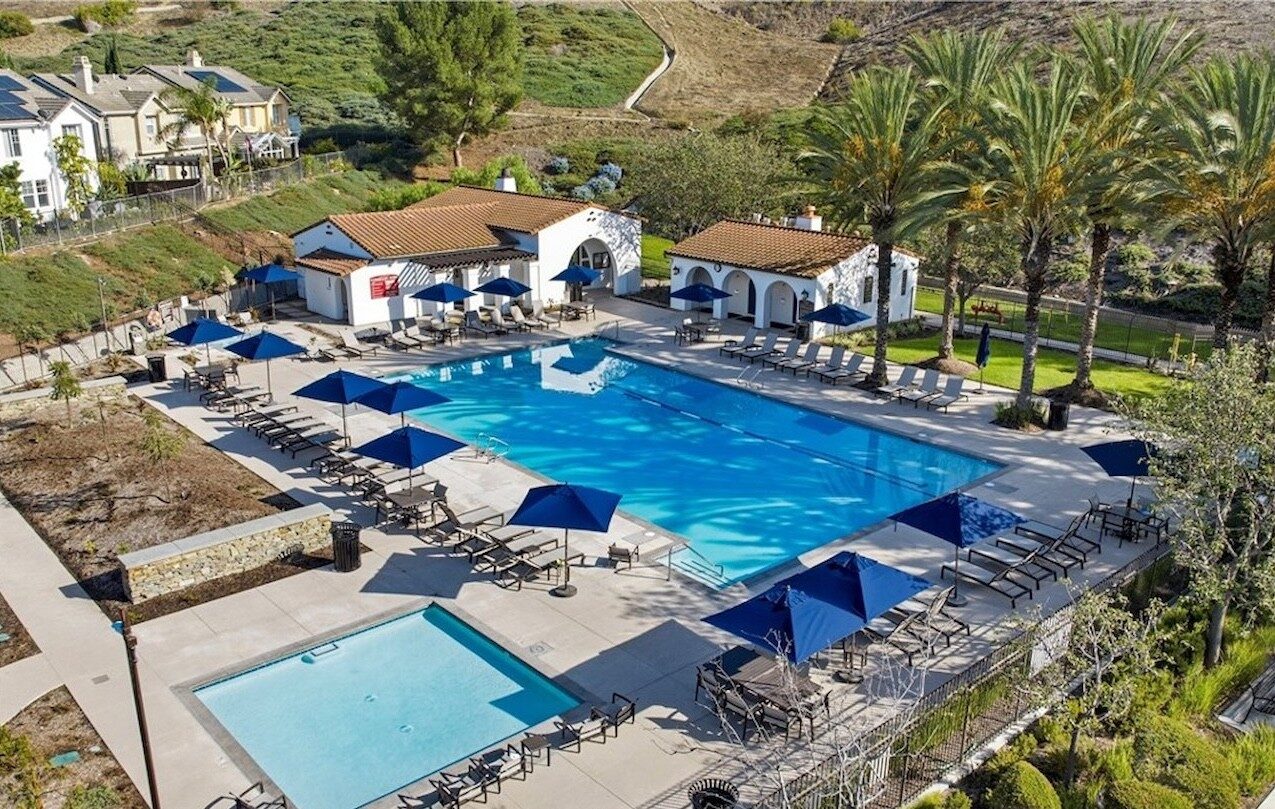
| HOA dues | Common in master-planned communities; ask what they cover |
| Maintenance and repairs | Set aside a reserve; coastal air and older systems add up |
| Closing costs | Lender, title, escrow, and recording fees, among others |
For neutral, independent guidance on mortgages and closing costs, the Consumer Financial Protection Bureau's Owning a Home tools are an excellent starting point.
Ready to start your search? Browse current San Clemente listings and compare neighborhoods before you tour.
Step 2: Get pre-approved
You get pre-approved by having a lender verify your income, assets, and credit and issue a written statement of how much they're willing to lend. A pre-approval is a lender's written statement, based on verified income, assets, and credit, of how much they're willing to lend you. It's different from a quick pre-qualification, which is based on information you report yourself. Sellers take verified pre-approvals more seriously, and in a market where well-priced homes close near list, that credibility helps your offer stand out.
Shop lenders. Compare rates, fees, and service, and ask about different loan programs. A local lender who understands the area and works well with your agent can make closing smoother.
What does financing look like at a $2M price point?
At a $2M price point, many buyers will be in jumbo loan territory, which often means larger down payments, stronger credit expectations, and more documentation of reserves. Loan amounts above the conforming loan limit set for the area are generally called jumbo loans. At San Clemente prices, many buyers will end up in jumbo territory unless they put down a large amount, and jumbo loans often come with different requirements: larger down payments, stronger credit expectations, and more documentation of reserves. Ask lenders early which category your loan will fall into, because it changes the rate, the paperwork, and the timeline.
| Step | What to ask | Why |
|---|---|---|
| Written loan estimate | Compare line by line across two or three lenders | Fees and rates differ |
| Rate lock | How long it lasts, what it costs, what happens if closing slips | Protects you from rate moves |
| Reserves | How many months of payments lenders want in savings | Common for larger loans |
| Documentation | Pay stubs, tax returns, statements, large-deposit explanations | Avoids last-minute delays |
A lender who understands local transactions can also anticipate issues specific to the area, such as appraisal considerations for unique coastal homes or planned-community documents. That kind of familiarity is worth asking about when you interview lenders.
Not sure which area fits? Compare all six neighborhoods before you tour. Compare neighborhoods
Step 3: Choose your neighborhood
The right neighborhood is the one that matches how you want to live. San Clemente isn't one market. Daily life in the Pier Bowl is very different from daily life in a hillside planned community. Decide how you want to live, then match the area to your priorities.
| Area | Setting | Good fit if you want... |
|---|---|---|
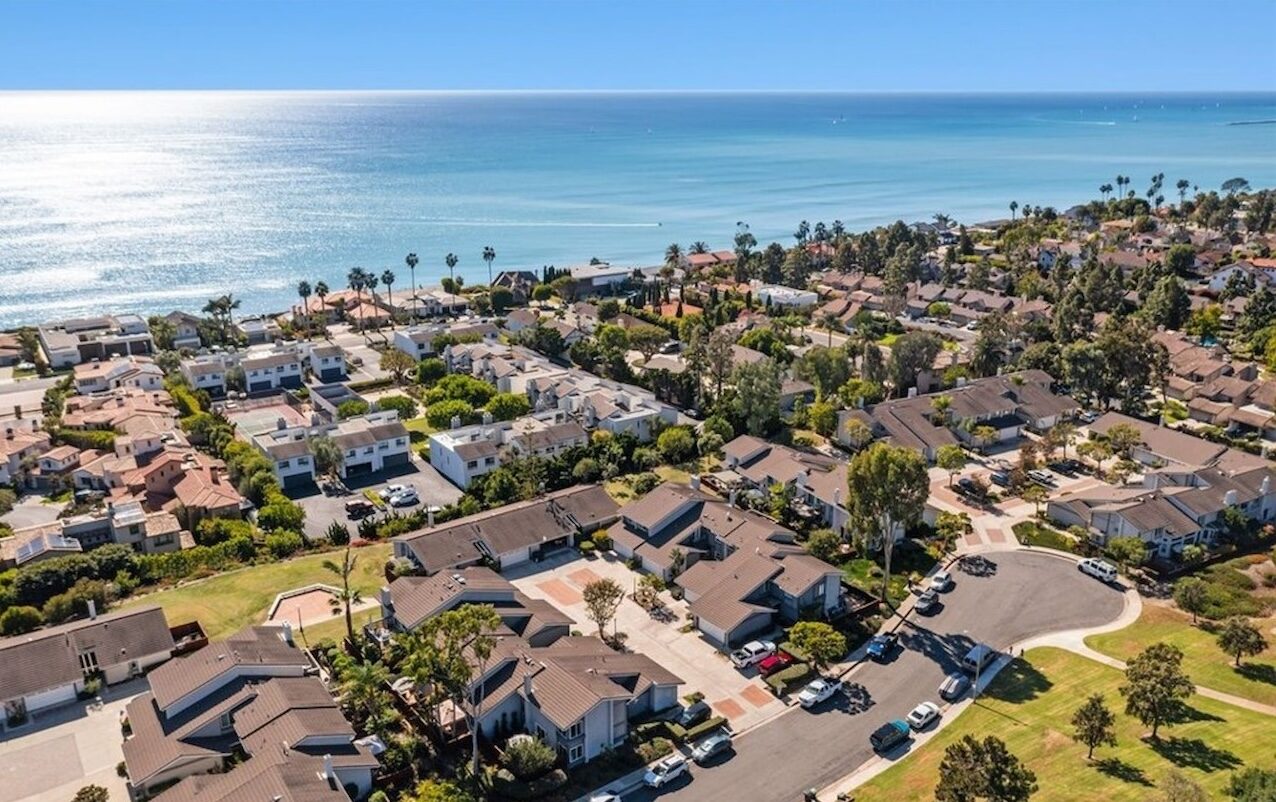
| Downtown & Pier Bowl | Coastal, walkable | To walk to the pier, beach, and restaurants |
| Sea Summit | Coastal bluff, master-planned | Newer construction near trails |
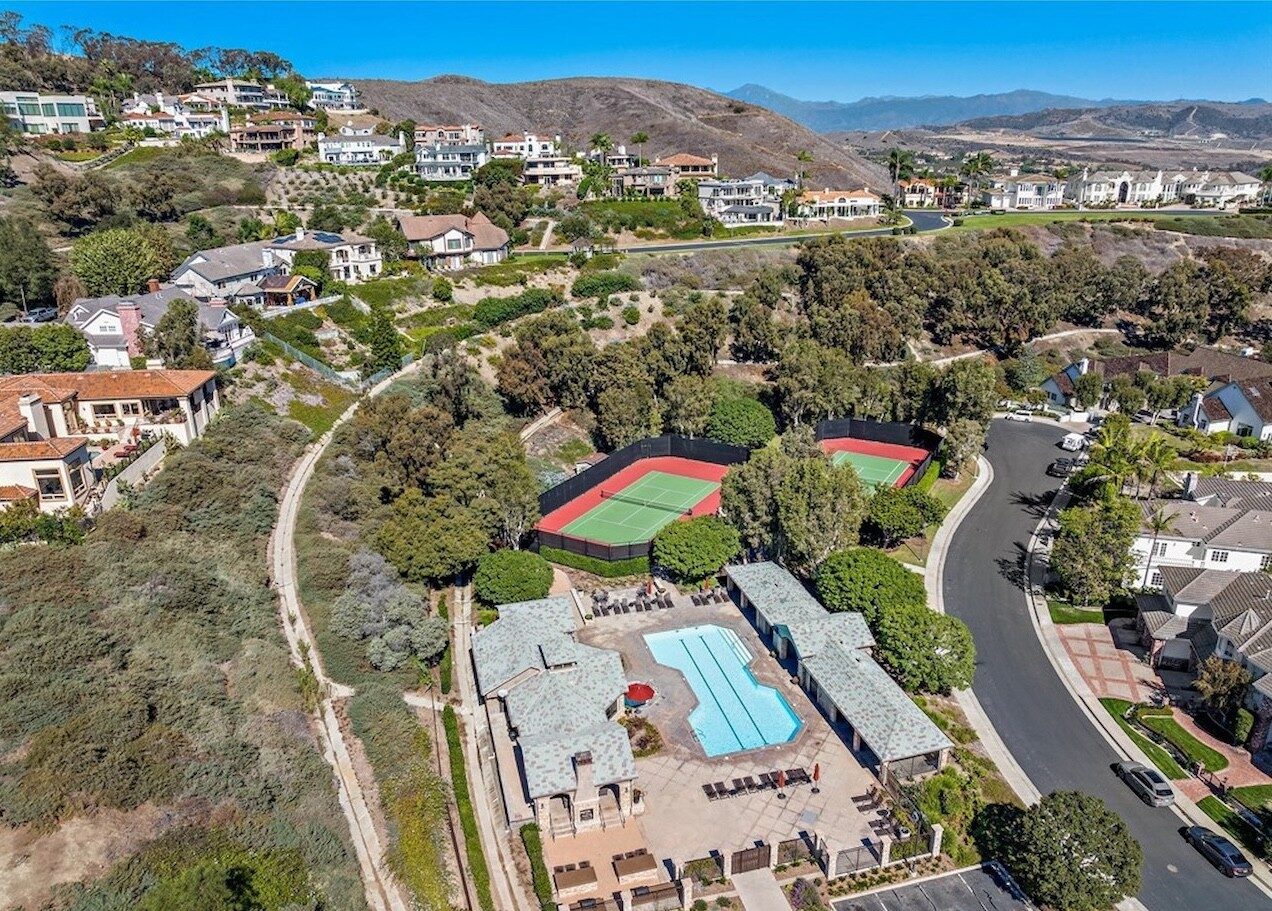
| Forster Ranch | Hillside, master-planned | More space, a short drive to the beach |
| Shorecliffs | Established, coastal side of the I-5 | A private resident beach club and ocean-view lots |
| Talega | Inland, master-planned | Parks, golf, and shopping close by |
| Rancho San Clemente | Elevated hillside | Views and a residential feel |
Read the guides to each: Downtown & Pier Bowl, Sea Summit, Forster Ranch, Shorecliffs, Talega, and Rancho San Clemente. You can also compare them all on the neighborhoods page.
Step 4: Tour smart
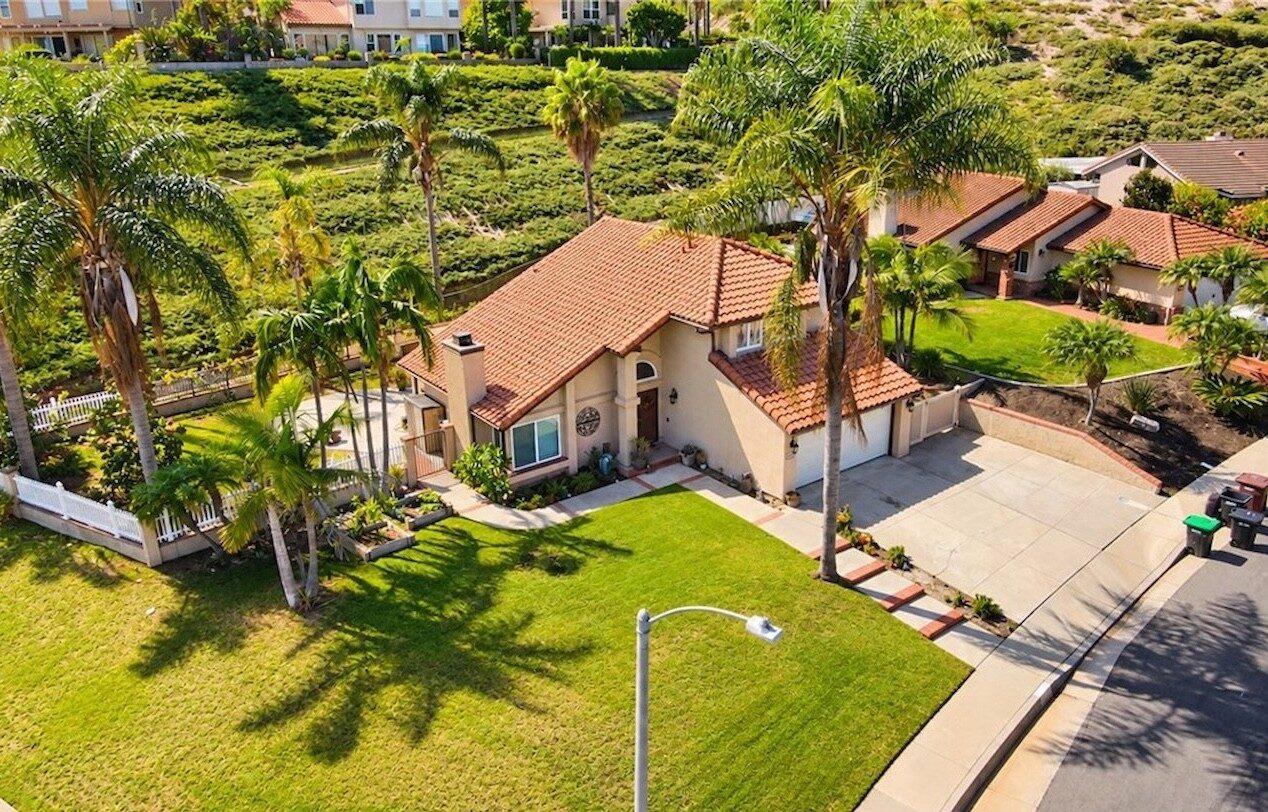
You tour smart by visiting at different times of day, taking notes, and working through the checklist below. Photos are flattering and floor plans lie by omission. Touring is where you learn how a home actually feels. Visit at different times of day if you can, and take notes.
| Check | What to look for |
|---|---|
| Time of day | Light, noise, and parking at different hours |
| The view | Look from inside the house, not just the yard |
| Big systems | Age and condition of the roof, HVAC, and water heater |
| Water | Stains, peeling paint, or musty smells |
| The street | Traffic, parking, and neighbors' upkeep |
| What's included | Appliances, window coverings, fixtures |
| Your routes | Drive to the beach, grocery store, and commute |
Ask your agent for recent comparable sales, the kind that closed within a few blocks in the last several months. With homes closing near list, comps are the best way to tell whether an asking price is realistic. Our latest market update covers the broader trends.
Want an offer strategy built on recent comps? Talk it through with Alex. Talk to Alex
Step 5: Make a competitive offer
A competitive offer is based on recent comparable sales rather than a lowball, because homes are closing near 100% of list price and well-priced homes don't leave much room. Your agent will pull recent comparable sales so your offer reflects the market, not just the asking price.
What goes into an offer
| Term | What it means | Tip |
|---|---|---|
| Price | Based on comps, condition, and competition | Let recent sales guide you |
| Earnest money | A good-faith deposit held in escrow; amount is negotiable | Ask what's customary |
| Contingencies | Inspection, appraisal, and loan approval protections | Waiving them adds risk |
| Closing date and possession | When you get the keys | Flexibility can beat a higher price |
| Items included | Appliances, fixtures, personal property | Put everything in writing |
In California, the standard purchase agreement published by the California Association of Realtors is widely used and sets default timelines, such as an inspection contingency period that's often 17 days, though these can be negotiated. Your agent will explain the specifics.
Step 6: Open escrow and review disclosures
You open escrow once your offer is accepted, and the seller then delivers required disclosures for you to review. Escrow is a neutral third party that holds funds and documents until everything is complete. You'll deposit earnest money, and the seller will deliver required disclosures.
California sellers typically provide a transfer disclosure statement and a natural hazard disclosure, along with other documents. Read them carefully. They describe known conditions and whether the property sits in areas such as flood, fire, or seismic zones. Your agent and title company can help you understand what you're reading, and the California Department of Real Estate offers consumer information about the process.
Want a local agent in your corner for inspections, disclosures, and negotiation?
Step 7: Inspections and appraisal
Inspections review the home's condition, and the appraisal your lender orders confirms the home is worth at least the loan amount. Inspections tell you what you're buying. A general home inspection covers the structure, roof, plumbing, electrical, heating and cooling, and more. Depending on the property, you may add specialized inspections for pests, sewer lines, chimneys, pools, or foundations.
Coastal and hillside homes deserve extra attention. Salt air can accelerate corrosion on metal fixtures and exteriors, and sloped lots raise questions about drainage and retaining walls. If a property is within the coastal zone, certain remodel or addition work may require additional permits, so ask the city early. The California Coastal Commission provides information about coastal permitting, and the City of San Clemente can answer local questions.
Your lender will also order an appraisal to confirm that the home is worth at least the loan amount. If the appraisal comes in low, you can renegotiate the price, make up the difference in cash, or, depending on your contract, walk away.
A deeper inspection list for coastal and hillside homes
On coastal and hillside homes, ask your inspector to look closely at the roof, exterior metals, windows and sliders, drainage, retaining walls, sewer line, foundation, and permits. A standard inspection is the baseline. San Clemente's setting adds a few items worth raising with your inspector and agent.
| Item | What to look for | Why it matters here |
|---|---|---|
| Roof and flashing | Wear around vents and chimneys | Sun, salt air, and wind are hard on roofs |
| Exterior metals | Corrosion on railings, hardware, garage doors | Salt air speeds corrosion |
| Windows and sliders | Seals and tracks | Sand and salt wear them faster |
| Drainage and grading | Where water goes in heavy rain | Critical on sloped lots |
| Retaining walls and slopes | Condition and repair history | Hillside risk |
| Sewer line | Camera inspection for roots or aging pipes | Common in older neighborhoods |
| Foundation | Cracks and settlement | Get a structural opinion if concerned |
| Permits | Additions, remodels, and ADUs | Unpermitted work is a risk |
None of these are meant to scare you off a house. They're meant to price the home accurately and avoid surprises. Almost every home has something to fix; the question is whether you know about it before you commit.
Negotiating after the inspection
After the inspection, you negotiate by asking for repairs, a credit toward closing costs, or a price reduction, or by accepting the home as is. Inspection results often lead to a second round of negotiation. Your agent will help you decide what to ask for, and the right approach depends on how competitive the situation is and how significant the findings are.
| Option | Best when | Trade-off |
|---|---|---|
| Repairs before closing | Issues are clear and fixable | Quality of work is up to the seller |
| Credit toward closing costs | You prefer to fix things yourself | Reduces cash needed at closing |
| Price reduction | Findings are significant | Seller may push back |
| Accept as is | Findings are minor or the market is competitive | You take on the risk |
Step 8: Finish your financing
You finish your financing by letting the lender complete underwriting during escrow while you keep your finances steady. During escrow, the lender completes underwriting: verifying documents, reviewing the appraisal, and confirming title. Avoid big financial changes during this period. Don't change jobs, open new credit, or make large unexplained deposits without talking to your lender first. A surprise at this stage can delay or derail a loan.
Selling a home before you buy? Start with a free valuation. Get a valuation
Step 9: Final walkthrough and closing
A day or two before closing, you'll do a final walkthrough to confirm the home is in the agreed condition and that any requested repairs are done. Then you'll sign the final documents, the lender funds the loan, and the deed is recorded. Once it records, the home is yours.
Plan for moving day, utilities, and a change of address, and keep copies of every document you sign. If you're relocating, our guide to moving to San Clemente covers practical details for settling in.
Let Alex walk you through the disclosures on any home you're considering. Ask Alex
Understanding hazard and condition disclosures
Hazard and condition disclosures are the seller's required statements about a property's known conditions and whether it sits in areas such as flood, fire, or seismic zones. Disclosures are where a good buyer does real homework. California requires sellers to share a good deal of information about a property, and your job is to read it closely and follow up on anything that raises a question. Think of it as the home's biography, and make sure you've read all the chapters before you commit.
Natural hazard information deserves special attention. For general background, the USGS Earthquake Hazards Program explains seismic risk in plain language, the state's fire hazard severity zone maps show where wildfire risk is higher, and the FEMA Flood Map Service Center lets you check a specific address. Your agent and title company will also provide the formal disclosures that apply to the property.
- Read every page. Highlight anything you don't understand and ask your agent to explain it.
- Compare disclosures with the inspection. If the two don't match, ask why.
- Check permits. Unpermitted work can create problems for insurance, resale, and safety.
- Ask about the neighborhood. Planned developments, HOA rules, and special taxes should be disclosed, but ask directly.
- Price in the unknowns. If a repair is likely, get an estimate so you can negotiate with real numbers.
Choosing an agent and what to expect from one
Choose an agent by verifying their license and looking for local knowledge and clear communication. Your agent is your guide, negotiator, and checkpoint, so the relationship matters. In California, real estate licensees are overseen by the Department of Real Estate, where you can verify a license, and many agents belong to the California Association of Realtors, which publishes the standard contract forms used in most transactions. Verifying credentials takes two minutes and is worth doing.
Beyond credentials, look for local knowledge and communication. A good agent will pull comparable sales without being asked, tell you plainly when a house isn't worth its price, and explain the paperwork in terms you understand. They should be as comfortable talking about the tradeoffs between the Pier Bowl and Talega as they are about contingencies and timelines.
- Ask how they'll communicate. Frequency and channel matter more than you'd think.
- Ask about recent local sales. An agent should know your target streets.
- Ask how they handle multiple offers. Their approach shows how they negotiate.
- Read reviews. Real client experiences, like those on the home page, tell you how an agent works under pressure.
When you're ready to talk through your own situation, you can reach out through the contact form, or start by requesting a valuation if you're also selling.
Can you buy a San Clemente home from out of town?
Yes, you can buy a San Clemente home from out of town, but the process rewards extra planning. Plenty of San Clemente buyers don't live here yet. Ask your agent for live video tours and detailed neighborhood briefings, and still try to visit in person at least once before you make an offer, ideally on both a weekday morning and a weekend afternoon. Sights and sounds that don't show up on camera, from train noise to beach crowds, can change how you feel about a street.
Line up your documents ahead of time, including identification, proof of funds, and your pre-approval, so you can act quickly when the right home appears. Ask how signatures will be handled remotely, and who will attend inspections on your behalf. Our moving guide covers the practical side of relocating, and the neighborhood comparison helps you narrow the search before you fly in.
Common mistakes to avoid
Avoid skipping pre-approval, falling for one house, ignoring the full monthly cost, waiving protections casually, overlooking condition, and making financial changes during escrow.
| Mistake | Why it hurts | Fix |
|---|---|---|
| Skipping pre-approval | Weakens offers and wastes time | Get verified pre-approval first |
| Falling for one house | Clouds your judgment | Stay objective until inspection and appraisal |
| Ignoring monthly cost | Taxes, insurance, and dues change the real payment | Budget the full amount |
| Waiving protections casually | Raises your risk | Understand each contingency |
| Overlooking condition | A view can hide repairs | Inspect thoroughly |
| Financial changes in escrow | Can derail the loan | Keep finances steady until closing |
After you get the keys
After you get the keys, set up the basics of ownership and a maintenance calendar. Closing is the finish line of the transaction, but it's the starting line of ownership. In your first weeks, change the locks, locate the main water shutoff and electrical panel, and test smoke and carbon monoxide detectors. Set up utilities in your name, update your address, and keep your closing documents in a safe, organized place, since you'll need them for taxes and future sales.
Create a maintenance calendar too. Roof and gutter checks, HVAC servicing, and exterior washdowns are easier to keep up with when they're scheduled, and coastal homes benefit from regular attention to metal fixtures and paint. A little routine care in year one protects the biggest purchase you've made, and it gives you a baseline for understanding how your home behaves through the seasons.
Your pre-offer checklist
Before you make an offer, have seven things in hand, from your pre-approval letter to a written walk-away number.
- Pre-approval letter in hand
- A shortlist of neighborhoods you've actually visited
- Recent comparable sales for the home you want
- A clear picture of your total monthly cost
- A plan for inspections and your timeline
- Questions for the seller's agent about price history and disclosures
- Your walk-away number, written down before you negotiate
Ready to start? Tell Alex what you're looking for and your timeline. Talk to Alex
Buying a home should feel exciting, not overwhelming. With a clear budget, the right neighborhood, and an agent who knows the market, you can move through each step with confidence.
Frequently asked questions about this topic
How much do I need for a down payment in San Clemente?
It depends on the loan program and the price. With a median around $2M, even a modest percentage is significant, so talk to a lender early about options.
How long does it take to buy a home?
Searching can take weeks or months. Once an offer is accepted, escrow often runs around 30 to 45 days, though that can be shorter or longer.
Should I waive contingencies?
It can make an offer more competitive, but it also increases your risk. Discuss it carefully with your agent before deciding.
What are closing costs?
Fees for the lender, title, escrow, recording, and more. Your lender provides an estimate, and the CFPB offers neutral guidance.
Are there HOA fees?
Many master-planned communities have them. Ask for the current dues and what they cover. See our neighborhood guides.
How do I know if a price is fair?
Compare recent closed sales within a few blocks, and consider condition, lot, and view. See our latest market update.
Want a current San Clemente listing search, recent sales for your street, and a full carrying-cost comparison at your budget?

Alex Yu
My approach is simple: educate first, advise second. I'll give you an honest, block-by-block read on San Clemente so you can make the best-informed decision, whether you're buying, selling, or just exploring.
Further reading
- Consumer Financial Protection Bureau: Owning a Home
- California Department of Real Estate
- California Coastal Commission
- City of San Clemente
Figures are from the cited sources and change over time. Confirm current details with Alex or the MLS before making decisions.