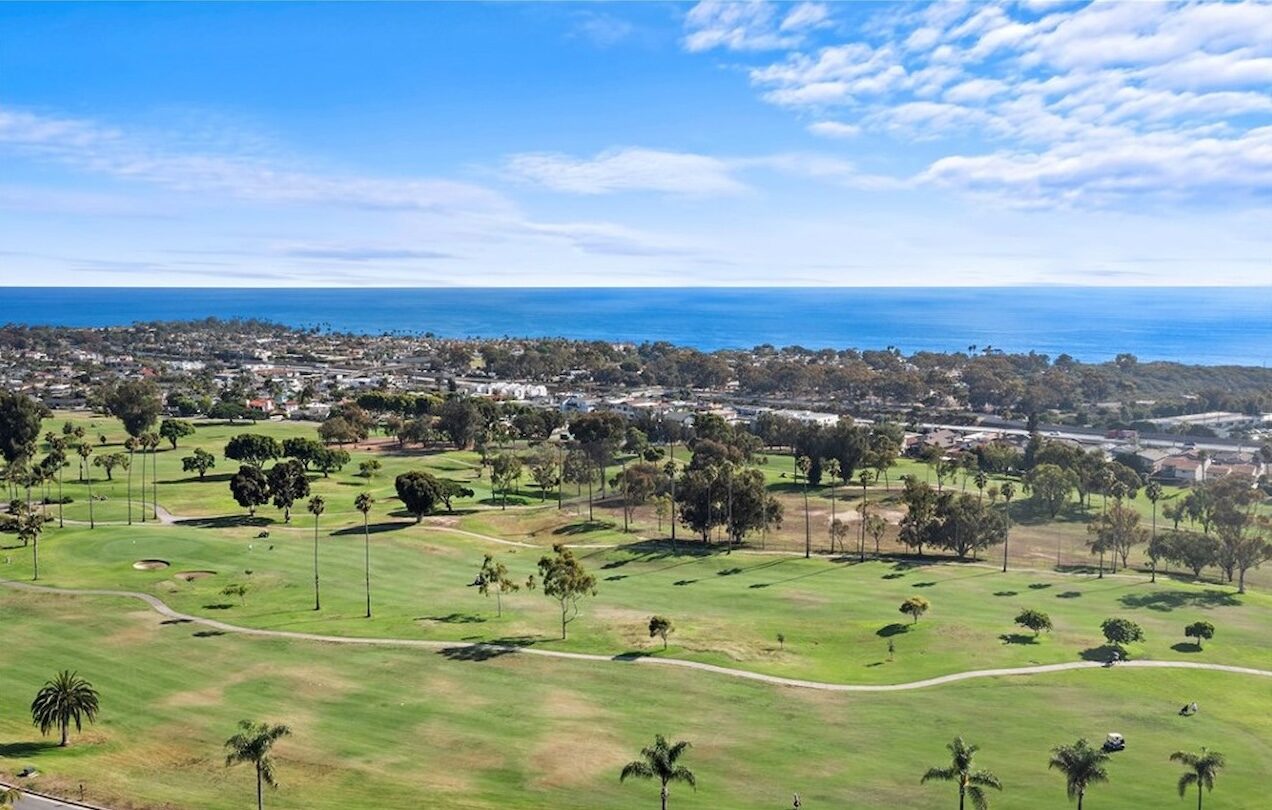
These two areas sit on opposite ends of the San Clemente experience. One puts you steps from the pier, with Spanish Colonial storefronts and the sound of the surf. The other gives you a large planned community with curving streets, parks, a golf club, and everyday shopping minutes from your front door. Many buyers start their search thinking they want one and end up choosing the other once they've spent time in both.
This guide compares them honestly: setting, homes, daily life, costs, and tradeoffs. We've included a side-by-side table, a framework for deciding, and illustrative scenarios (labeled as such, not real clients) to show how different priorities lead to different choices. For complete profiles, see our full guides to Downtown & Pier Bowl and Talega.
How do the Pier Bowl and Talega compare side by side?
The Pier Bowl is a coastal, walkable area with vintage and newer coastal homes, while Talega is an inland master-planned community about 3 miles from the coast with mostly tract homes in a Spanish-Tuscan style.
| Pier Bowl & Downtown | Talega | |
|---|---|---|
| Setting | Coastal, hillside, walkable | Inland, master-planned |
| Distance to the beach | Walkable from many homes | About 3 miles from the coast |
| Typical homes | Vintage cottages, Spanish-style homes, newer coastal builds | Mostly tract homes in a Spanish-Tuscan style |
| Lots | Often smaller, with views as the trade | Planned lots across 30+ neighborhoods |
| Everyday errands | Shops and restaurants on Avenida Del Mar | Shopping center with major retailers nearby |
| Ongoing costs to ask about | Older-home maintenance | HOA dues and possible assessments |
| Beach access | Pier, beach trail, and sand close by | Drive to the coast |
| Character | Historic Spanish Colonial Revival village | Planned community with consistent design |
The Pier Bowl and Downtown: a village by the sea
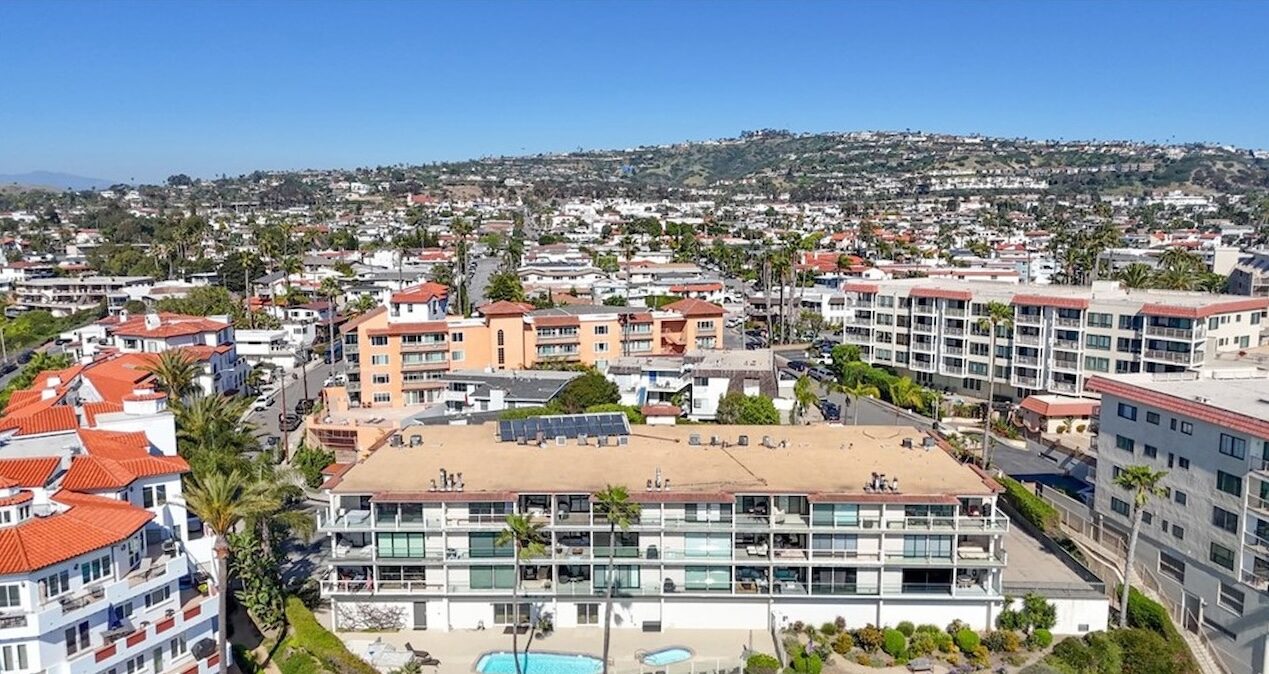
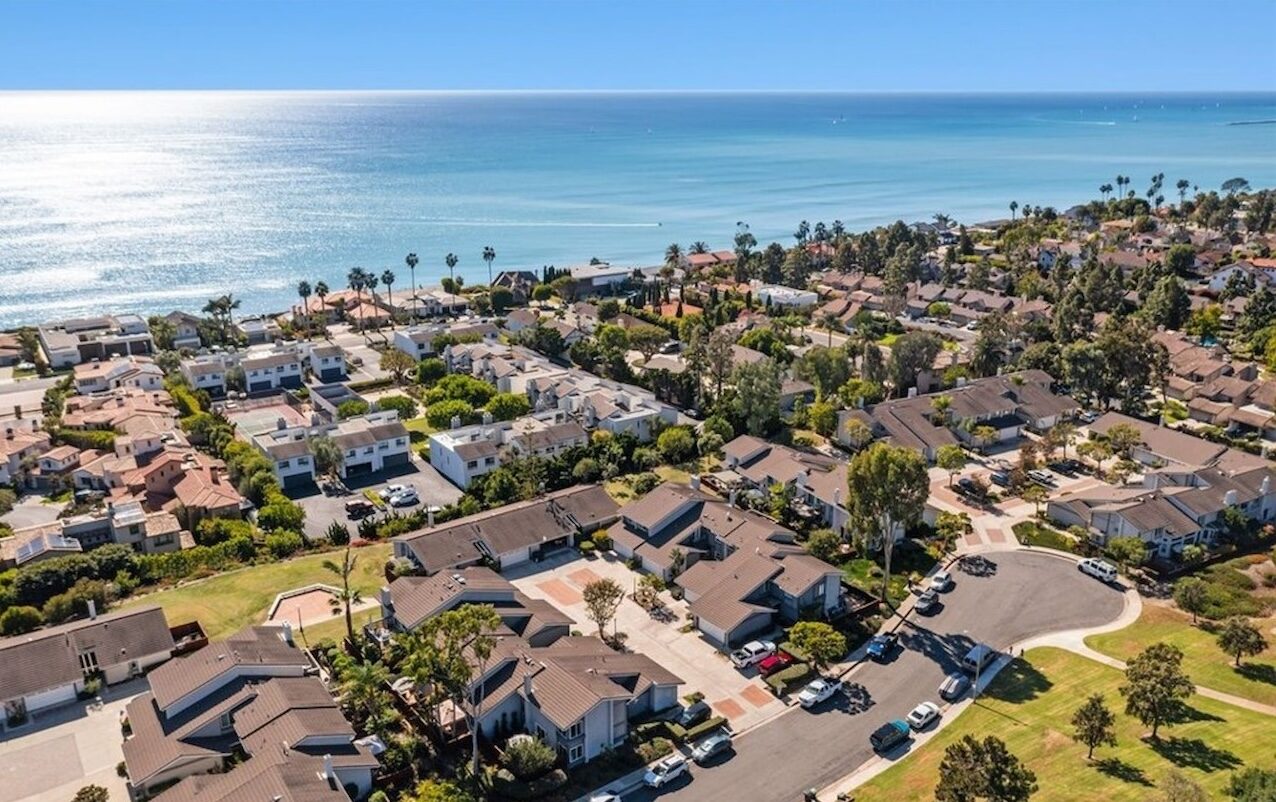
Living in the Pier Bowl and Downtown means a walkable coastal village setting near the pier, the beach trail, and Avenida Del Mar. The Pier Bowl is the low-lying area around the San Clemente Pier, which opened in 1928, with Downtown and Avenida Del Mar climbing the hillside above it. This is the part of town that gave San Clemente its "Spanish Village by the Sea" reputation, shaped by founder Ole Hanson's vision of red-tile roofs and white stucco.
What daily life looks like
Mornings start with coffee and a walk on the beach trail. Midday you might grab lunch on Avenida Del Mar. In the evening, the pier fills with people watching the sunset, and you can walk to dinner. For many residents, the appeal is that the car stays in the driveway for a surprising portion of the week.
The homes
Homes here run from vintage cottages and remodeled Spanish-style houses to newer coastal builds that borrow the same look. Lots are often small and streets climb the hill, so many properties trade yard space for a view. Parking can be tight, and prices can vary dramatically from one block to the next depending on view and proximity to the sand.
Strengths and tradeoffs
| Strengths | Trade-offs |
|---|---|
| Walk to the pier, beach, restaurants, and farmers market | Summer weekends bring crowds and tight parking |
| Architectural character along Avenida Del Mar | Smaller lots and older homes can mean more maintenance |
| Train stations in town | Views and proximity drive big price swings |
| Sunset views on many streets | Some homes near the tracks hear passing trains |
Want current listings in both areas plus recent sales to compare? Start here.
Talega: a town within the town
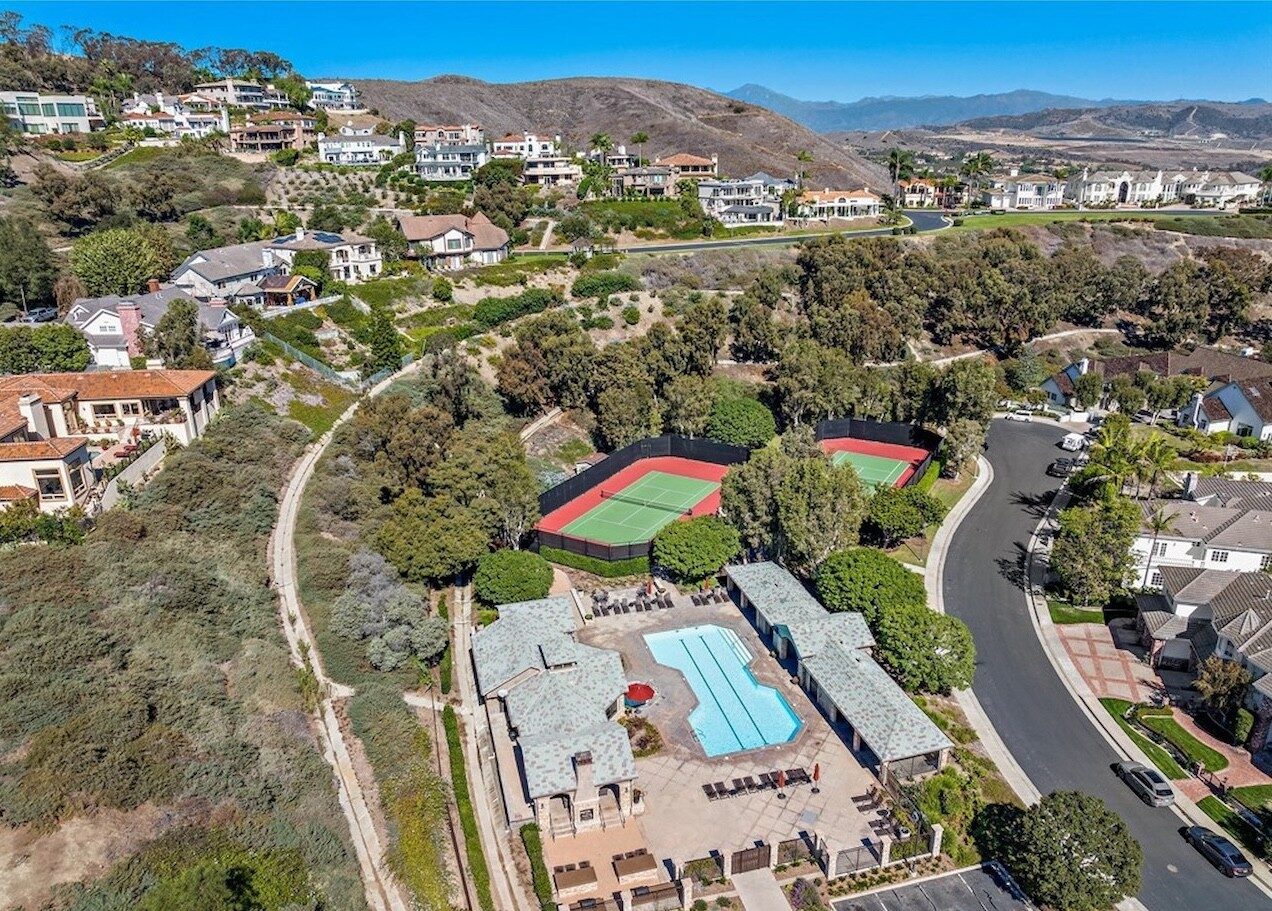
Talega is a large master-planned community in the northeast part of San Clemente, with construction beginning in 1999. According to public descriptions, it covers about 3,510 acres under its specific plan, includes more than 30 neighborhoods, and was planned for roughly 3,500 residential units. It sits about 3 miles from the coast and 2 miles east of I-5, and its architecture is predominantly Spanish-Tuscan.
What daily life looks like
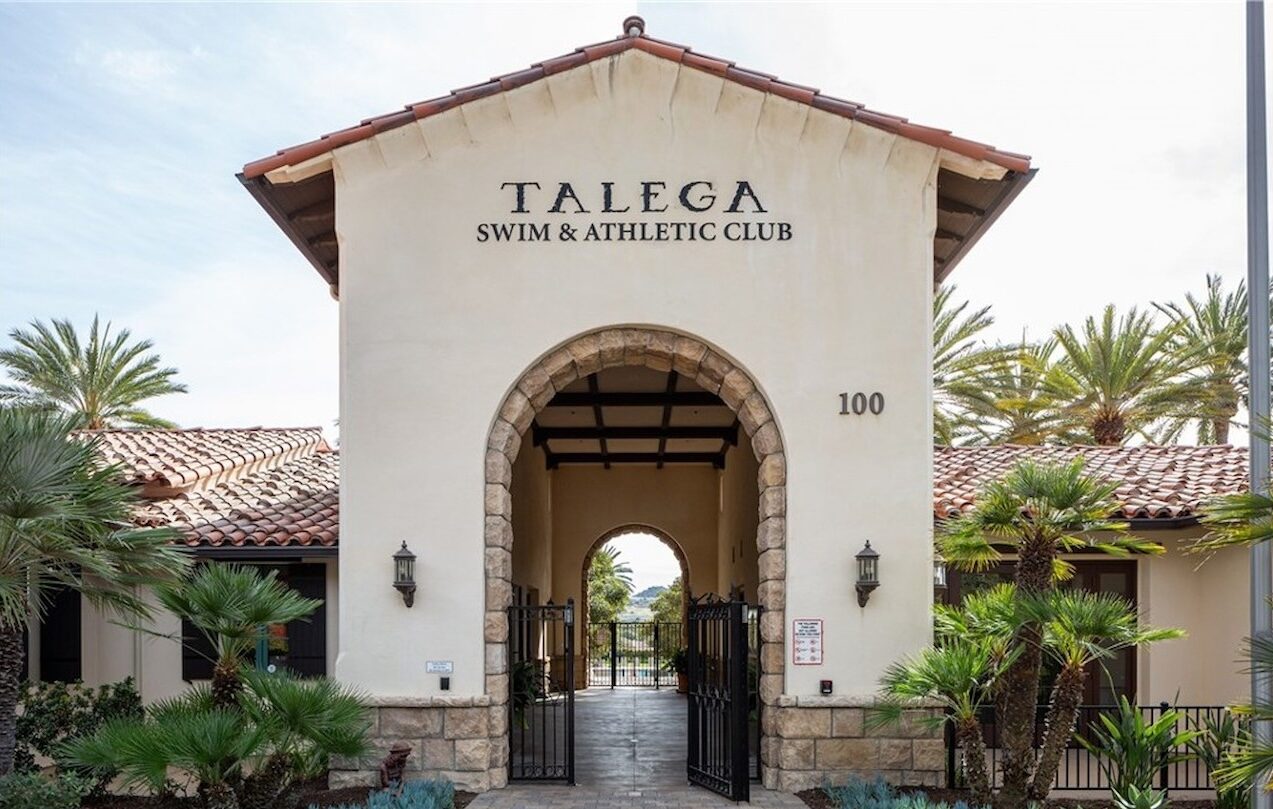
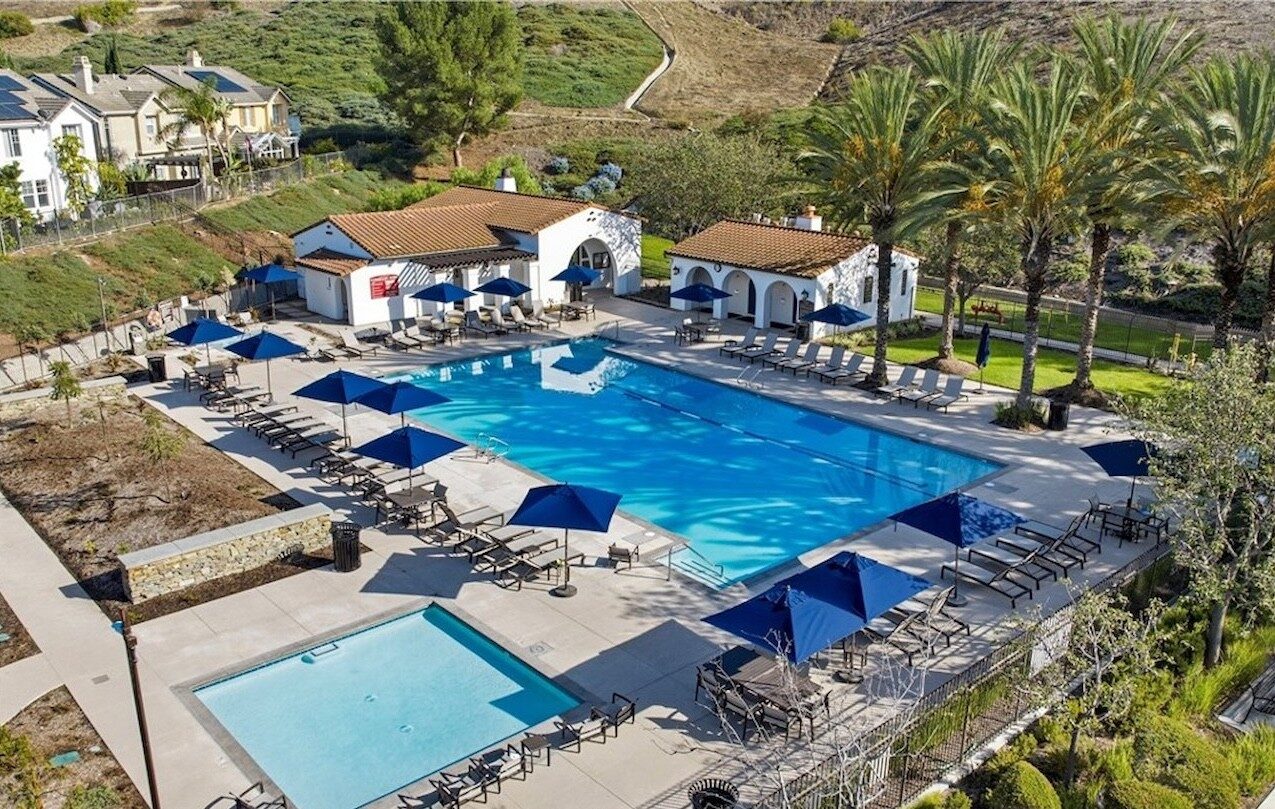
Here the rhythm is different. Streets are planned and landscaped, parks and open space are part of the design, and everyday errands such as groceries are close by. Public descriptions note a shopping center with major retailers, city parks including Talega Park, Liberty Park, and Tierra Grande Park, and HOA parks within individual neighborhoods. A golf club is part of the community as well.
The homes
Most homes are tract-built single-family houses, with more variety among the 30-plus neighborhoods than the overall look suggests. Newer construction usually means modern floor plans and fewer surprises than a vintage cottage. Because it's planned, comparing homes within a tract is often easier than in older areas with a mix of ages and styles.
Strengths and tradeoffs
| Strengths | Trade-offs |
|---|---|
| Parks, trails, and a golf club inside the community | About 3 miles from the coast, so beach days mean a drive |
| Newer construction than the coastal core | HOA dues and possible extra assessments |
| Shopping and services nearby | Commute depends on I-5 traffic |
| More space for the money than beachfront blocks | Less vintage character than Downtown |
Want to see both in one weekend? Alex will line up tours in each area. Book tours
A Saturday in each
A Saturday in the Pier Bowl centers on the beach trail, the pier, and Avenida Del Mar, while a Saturday in Talega centers on neighborhood paths, parks, and nearby shopping. Imagine a typical Saturday to see how each area feels. These are illustrations of the rhythm, not a promise of any particular experience.
| Time | Pier Bowl & Downtown | Talega |
|---|---|---|
| Morning | Coffee on Avenida Del Mar, beach trail walk | Walk or ride through neighborhood paths and parks |
| Midday | Lunch near the pier, browse Downtown shops | Errands at the nearby shopping center |
| Afternoon | Time on the sand or a surf session | Community park, golf, or a short drive to the coast |
| Evening | Sunset on the pier, walk to dinner | Dinner at home or a local restaurant |
| Parking | Tight on summer evenings | Typically garages and driveways |
Neither Saturday is better. They're just different, and your reaction to each description tells you a lot about which area to tour first. For ideas on where to spend a coastal day, see our beaches guide, and for the best places to eat near the pier, our food and drink guide.
Get the real HOA, tax, and insurance picture for specific homes. Ask Alex for the numbers
The cost of ownership worksheet
Owning in each area costs more than the price: ask about property taxes, HOA dues, insurance, maintenance, parking, and transportation, noting that HOA dues are common in Talega and usually absent for Pier Bowl single-family homes, but confirm. Price is only the beginning. Two homes with identical prices can cost very different amounts each month. Use this worksheet to compare any home in either area, and fill it in with real numbers from your agent, lender, and insurance broker.
| Line item | Pier Bowl & Downtown: ask about | Talega: ask about |
|---|---|---|
| Property taxes | Estimate based on your purchase price | Estimate based on your price, plus any special taxes in the tract |
| HOA dues | Usually none for single-family homes, but confirm | Common; ask what's covered and how often they change |
| Insurance | Quotes for coastal conditions and older construction | Quotes for newer construction and any wildfire or hillside factors |
| Maintenance | Older systems, salt-air wear, and exteriors | Newer systems, with landscaping often HOA-regulated |
| Parking | Limited street parking in busy areas; check driveway and garage | Typically garages and driveways, check guest parking rules |
| Transportation | Walk and train for many trips; car for the rest | Drive for most trips, including the beach |
That worksheet often changes the picture. A home that looks more affordable at the listing price can cost more per month once dues and assessments are included, while an older coastal home with a lower monthly carrying cost might need repairs in the first few years. The goal isn't to find the cheapest option; it's to know what you're signing up for.
Not sure which fits? Alex will walk you through both areas with real recent sales.
Long-term considerations
For the long term, weigh the home's flexibility, the rules and regulations that apply, its maintenance trajectory, how the neighborhood evolves, and your own plans. Most buyers think about how long they'll stay, even if they don't plan to sell for years. A few factors are worth weighing in both areas.
- Flexibility of the home. Can the layout adapt if your needs change? Some vintage homes have unusual floor plans; planned-community homes tend to follow more standard layouts.
- Rules and regulations. Planned communities have architectural guidelines that can limit exterior changes. Coastal-zone properties may need additional permits for certain work, as the California Coastal Commission explains.
- Maintenance trajectory. Older homes may need major systems replaced; newer ones may reach that stage later but still will.
- Neighborhood evolution. Areas change over time, with new businesses, infrastructure, and community projects. Follow local news through sources like the San Clemente Times.
- Your own plans. Remote work, a growing household, or a move to a different region can all shift what you need from a home.
No agent can promise how a particular home will perform financially. What you can do is choose a home you'll enjoy living in, buy at a price supported by recent sales, and plan for the real costs of ownership.
Common misconceptions
The most common misconceptions are that the Pier Bowl is only for tourists, that Talega is far from everything, and that newer homes need no maintenance; the table below gives the reality for each.
| Myth | Reality |
|---|---|
| The Pier Bowl is only for tourists | It gets visitors, but it is also a year-round residential area |
| Talega is far from everything | About 3 miles from the coast and near its own shopping, though you will drive |
| Newer means no maintenance | Fewer immediate repairs, but every home needs upkeep and HOAs have rules |
| Vintage means a money pit | Many older homes are updated; inspections tell you which |
| The beach is always crowded | Weekday mornings and off-season days can be peaceful |
Questions to ask on your tour
On tour, ask about parking, systems, permits, and noise in the Pier Bowl and Downtown, and about HOA dues, special taxes, rules, and drive times in Talega.
| Area | Ask about |
|---|---|
| Pier Bowl & Downtown | Parking on summer weekends and for guests |
| Pier Bowl & Downtown | Age and condition of the roof, plumbing, and electrical |
| Pier Bowl & Downtown | Whether additions or remodels were permitted |
| Pier Bowl & Downtown | View at sunset and in the morning; train or crowd noise |
| Talega | HOA dues and what they cover |
| Talega | Special taxes or assessments tied to the tract |
| Talega | Architectural and landscaping rules |
| Talega | Drive time to the beach and freeway at your hours |
Tell Alex your answers and he'll point you to the streets worth touring. Talk to Alex
How do you decide? Five questions to ask yourself
You decide by answering five questions about beach use, walkability, newer systems, HOA rules, and commute; if three or more point the same direction, you have your starting area.
- How often will you actually go to the beach? Daily favors the coast; a few times a week is workable from inland.
- How much do you value walkability? If errands on foot matter, the Pier Bowl and Downtown are hard to beat.
- How important are newer systems and layouts? Newer construction can mean fewer repairs, while vintage homes bring character and projects.
- How do you feel about HOA rules and dues? Planned communities have them; many buyers like the consistency, others prefer more freedom.
- What does your commute look like? Test both areas at your real driving hours.
Write down your answers. If three or more point the same direction, you have your starting area. Then tour both anyway, since seeing the two back to back is the fastest way to confirm your instincts.
A weekend tour plan to compare both
You can tour both areas in one weekend by driving your commute Friday evening, spending Saturday in Talega and then at the coast, and returning to the Pier Bowl on Sunday morning. The fastest way to settle the debate is to spend one weekend in both areas on purpose. Here's an itinerary you can adapt.
- Friday evening: drive your real commute from each area at rush hour, noting the time it takes to reach the freeway.
- Saturday morning: start in Talega. Walk a neighborhood path, visit a park, and run an errand at the nearby shopping center, as if it were an ordinary day.
- Saturday midday: drive to the coast and note how long it takes, then find parking near the pier and see how busy it is.
- Saturday afternoon: tour a couple of homes in each area, with one priced near the top of your budget and one near the bottom.
- Saturday evening: have dinner on Avenida Del Mar, then walk to the pier for sunset. Notice how the area feels as the crowd changes.
- Sunday morning: return to the Pier Bowl for coffee and a walk on the beach trail, then drive back to Talega and compare how each morning felt.
At the end of the weekend, write down three things you loved and three things that bothered you about each area. The pattern usually jumps out. If you want a hand building the itinerary or lining up tours, reach out through our contact page, and use our local tips guide to avoid parking and crowd surprises.
Getting around: transit, parking, and driving
In the Pier Bowl and Downtown you can walk or take the train for many trips, while in Talega you drive for most trips. How you move through your day is one of the biggest differences between these two areas. In the Pier Bowl and Downtown, many errands can be done on foot, and the San Clemente and San Clemente Pier train stations put Amtrak's Pacific Surfliner and Metrolink within reach. Parking is the tradeoff: on summer evenings and weekends, spots near the pier fill up, so plan on arriving early or walking in from farther up the hill.
Talega runs the other way. Streets are planned for cars, garages and driveways are standard, and shopping is close enough to run errands quickly. The coast is a short drive away, and the I-5 is about two miles west, which makes freeway timing a key question. Before you commit to either area, drive your real route at rush hour, and check Orange County Transportation Authority routes if you'd like to use buses.
Parks, trails, and outdoor life in each area
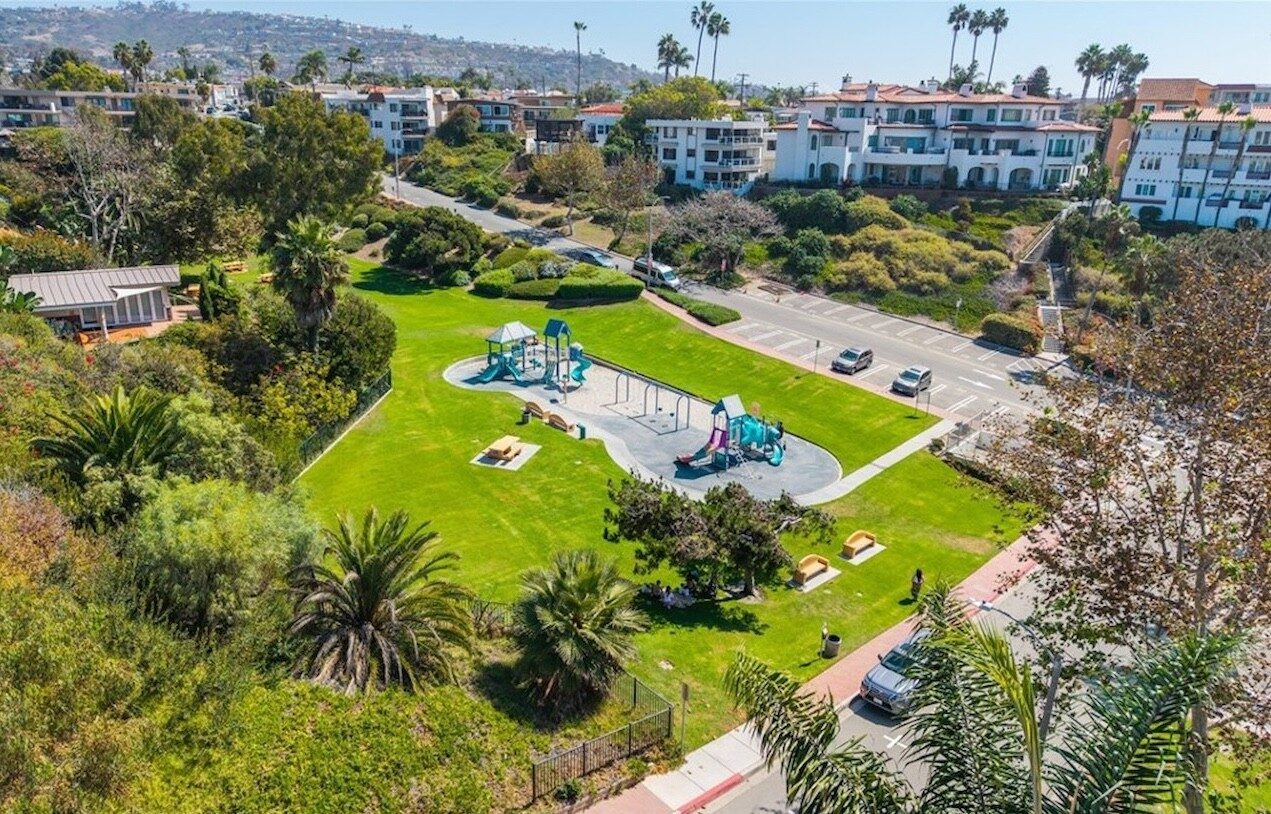
Both areas make it easy to get outside, in very different ways. Near the Pier Bowl, the beach trail is the headline, linking North Beach, the pier, T-Street, and Calafia with ocean views the whole way. You can also reach the cliffside Sea Summit Trail and the surf spots we cover in the beaches guide.
In Talega, the outdoors is closer to home: city parks such as Talega Park, Liberty Park, and Tierra Grande Park, plus HOA-maintained parks within individual neighborhoods, and a golf club in the community. For the full picture of parks across town, see our parks and trails guide, and check the City of San Clemente's parks page for amenities and hours.
- If you want water at your doorstep: the Pier Bowl and Downtown put you closest to the sand and the pier.
- If you want green space in your community: Talega's parks and golf club are part of the plan.
- If you want both: consider living inland and driving to the coast a few mornings a week, as many Talega residents do.
For background on both places, Wikipedia's San Clemente entry and its Talega page are useful starting points, though always confirm current details with the city or your agent.
Golf and recreation
If golf is part of your life, Talega has the edge inside the community, with a golf club as part of the plan. San Clemente also has other options worth knowing about: the public Shorecliffs Golf Club, which reopened after a major renovation in 2024, and a municipal course the city lists on its golf page. Note that the public golf club shares its name with the separate Shorecliffs neighborhood, a 504-home area with its own private beach club.
Beyond golf, recreation near the Pier Bowl tends to be water-focused: surfing, paddling, beach volleyball, and long walks. Inland, tennis courts, ballfields, and sports parks are more common, and the city's classes and programs are open to residents across town. Whichever mix you prefer, it helps to try a few activities on a visit so you know whether the area really supports the way you spend your free time.
See the latest citywide numbers before you tour. Read the market update
What do homes cost in each area?
San Clemente's single-family median was $2,225,000 in September 2026, but neighborhood-level medians swing a lot because there are relatively few sales in any one area each month. For the citywide picture, see our market update. For live listings and recent sales, Redfin has neighborhood pages for Talega and the Pier Bowl. Treat third-party medians as directional, and ask Alex for recent sales on the specific street you like.
The other San Clemente neighborhoods
The other four neighborhoods we've profiled are Sea Summit, Forster Ranch, Shorecliffs, and Rancho San Clemente. Pier Bowl and Talega are two of six areas we've profiled. If neither feels quite right, there are other options:
- [Sea Summit](/neighborhoods/sea-summit): newer construction on the former Marblehead Coastal property, with trail access nearby
- [Forster Ranch](/neighborhoods/forster-ranch): a hillside planned community set back from the sand
- [Shorecliffs](/neighborhoods/shorecliffs): a 504-home neighborhood developed from 1960, with a private resident beach club
- [Rancho San Clemente](/neighborhoods/rancho-san-clemente): an elevated hillside community where views and orientation matter
Compare all six on our neighborhoods page.
Before you make an offer in either area
Before making an offer in either area, visit at least twice, ask about HOA dues and assessments, request recent comps, check the view, time your commute, and review inspection results carefully.
- Visit at least twice, at different times of day and week.
- Ask for HOA dues, what they cover, and any special assessments.
- Request recent comparable sales within a few blocks.
- Check the view from inside the home at the time of day you'd use it.
- Time your commute and your drive to the beach.
- Review inspection results carefully, especially on older coastal homes.
Not sure which one fits? Tell Alex how you live and he'll point you to the streets worth touring. Talk to Alex
For official information about the city, visit sanclemente.gov, and for background on Talega, see its Wikipedia entry.
Frequently asked questions about this topic
Is Talega close to the beach?
Talega is about 3 miles from the coast and about 2 miles east of I-5, according to public descriptions, so beach trips involve a short drive.
Is the Pier Bowl walkable?
Yes. Downtown and the Pier Bowl are the most walkable parts of San Clemente, with shops, restaurants, the pier, and the beach trail nearby.
Does Talega have an HOA?
Planned communities like Talega commonly have HOA dues, and some tracts have additional assessments. Ask for details on any home you consider.
Which area has newer homes?
Talega, with construction beginning in 1999, generally has newer homes than the Pier Bowl, which has many vintage and older homes alongside newer builds.
How do prices compare?
It varies by home, lot, and view. Neighborhood medians are unstable, so ask for recent sales on the specific streets you like.
Should I visit both before deciding?
Yes. Seeing both back to back is the fastest way to know which fits how you live.
Want a current San Clemente listing search, recent sales for your street, and a full carrying-cost comparison at your budget?

Alex Yu
My approach is simple: educate first, advise second. I'll give you an honest, block-by-block read on San Clemente so you can make the best-informed decision, whether you're buying, selling, or just exploring.
Further reading
Figures are from the cited sources and change over time. Confirm current details with Alex or the MLS before making decisions.