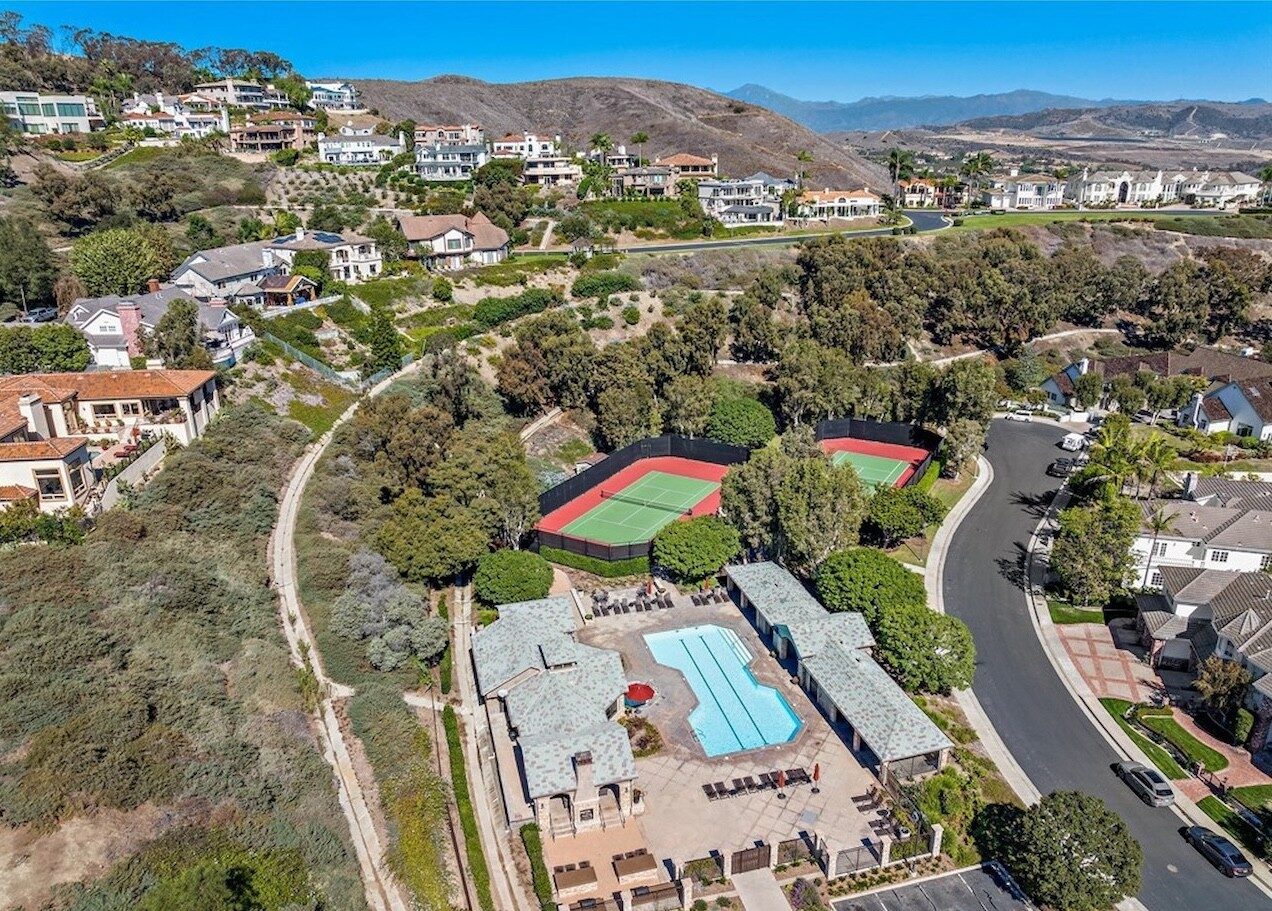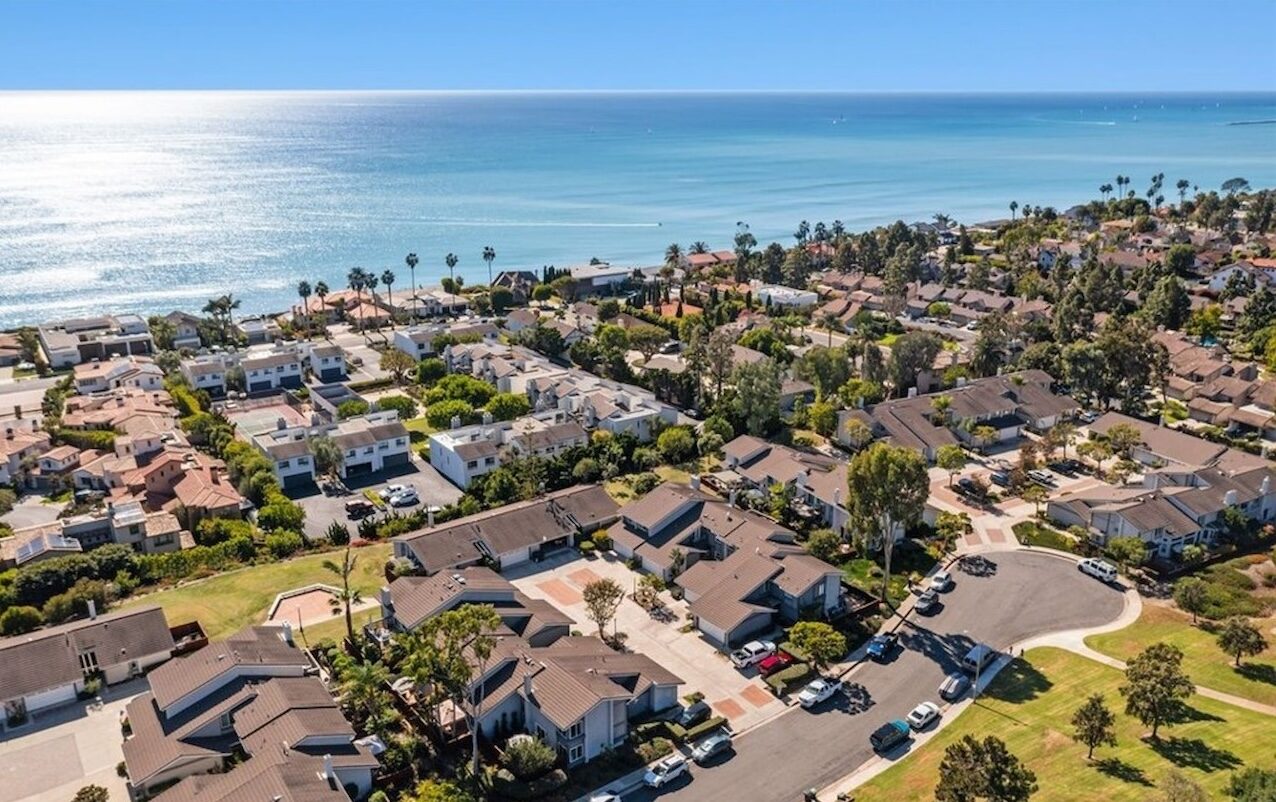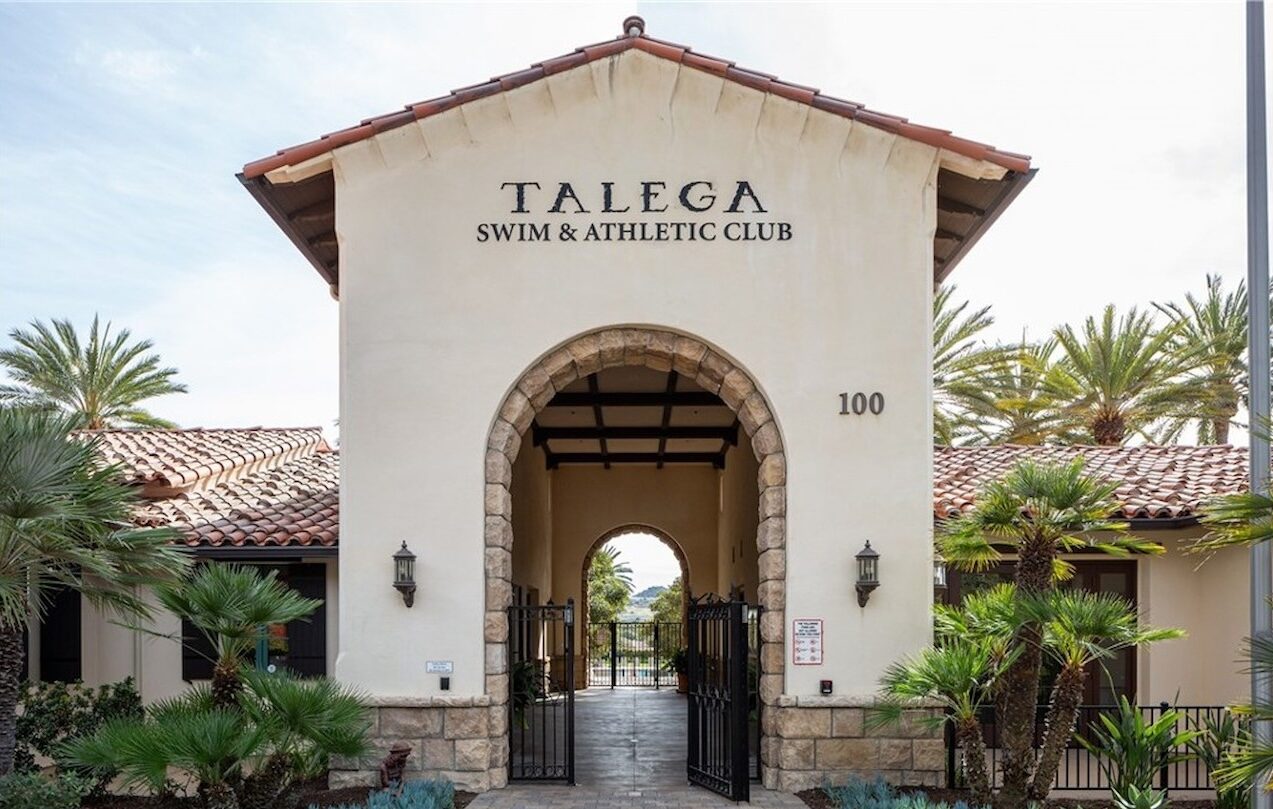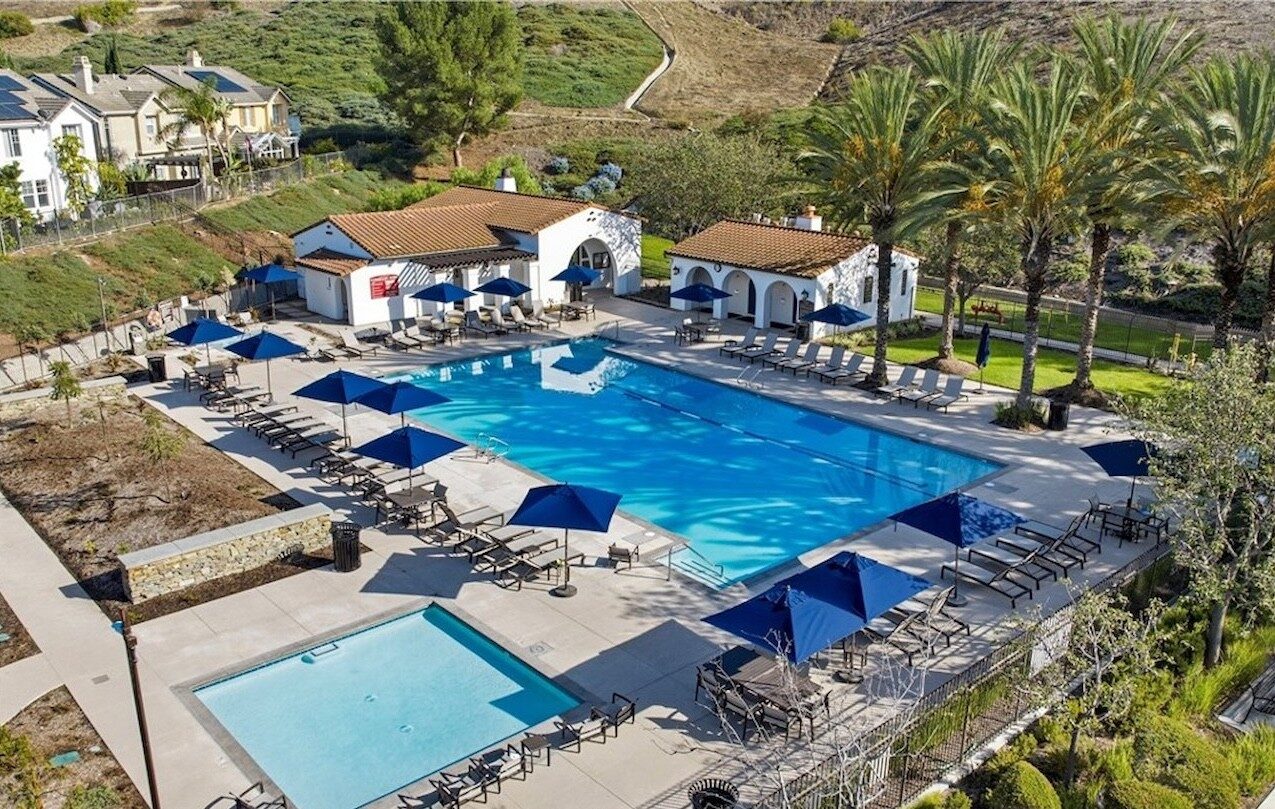
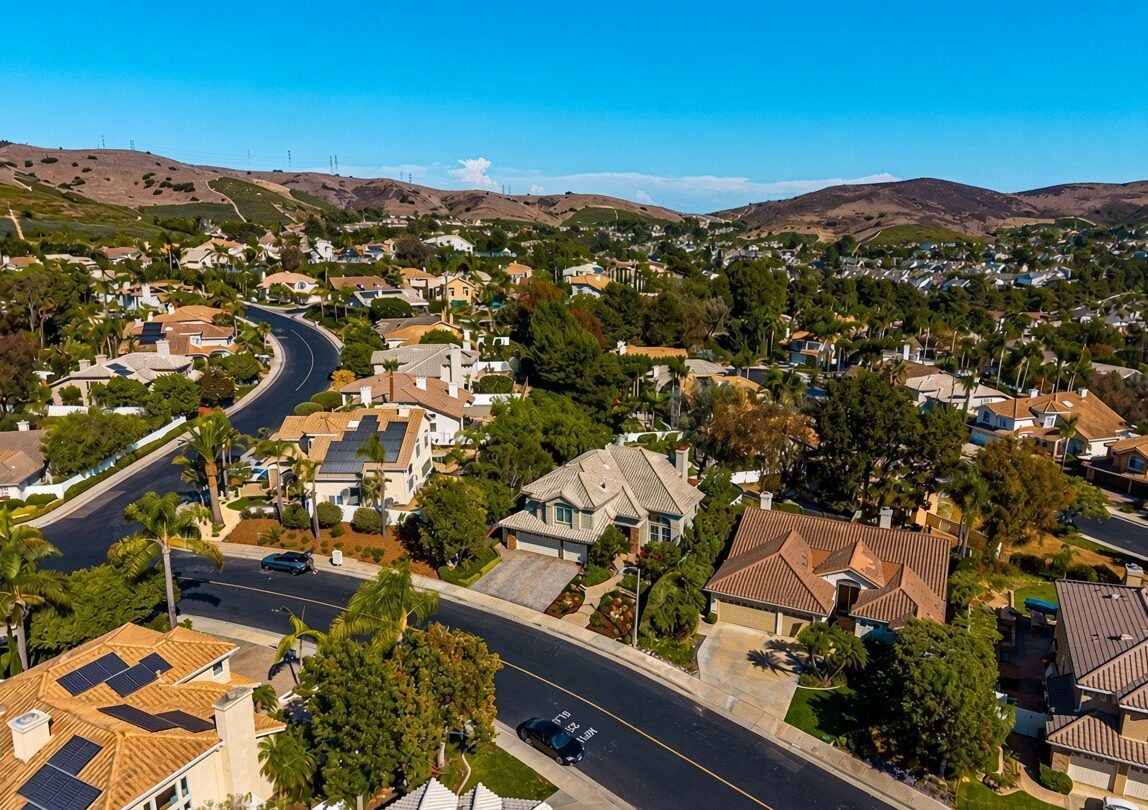
San Clemente sells itself in photos: red-tile roofs, a wooden pier, surfers at dawn, sunsets that turn the whole town gold. It's all true. But a good move is built on the full picture, including the parts that don't make the postcard. This guide is the one we'd want if we were relocating: honest about what's great, upfront about the tradeoffs, and practical about how to get settled.
Whether you're coming from elsewhere in Orange County, from across the country, or from another continent, you'll find a framework here for deciding if San Clemente fits and how to approach the move. We've added illustrative scenarios (labeled as such, not real clients), checklists you can copy, and links to deeper guides on neighborhoods, beaches, parks, and food.
What is San Clemente like at a glance?
San Clemente is a coastal city of 64,293 people (2020 Census) with a Mediterranean climate, a beach trail, two train stations, and a median home price around $2M.
| Fact | Detail |
|---|---|
| Population | 64,293 (2020 Census) |
| Median household income | $134,735 (2023 estimate) |
| Climate | Mediterranean; August highs around 79°F, December highs around 64°F |
| Beach trail | About 2.3 to 2.6 miles from North Beach to Calafia |
| Train service | Amtrak Pacific Surfliner and Metrolink, with two stations in town |
| Single-family share of inventory | About 70% |
| Median price | Around $2M |
A town with a plan
San Clemente is a planned town because Ole Hanson, a former Seattle mayor, founded it in the 1920s with a vision of a Spanish Colonial Revival village by the sea. San Clemente was founded in the 1920s by Ole Hanson, a former Seattle mayor, who envisioned a Spanish Colonial Revival village by the sea. That vision shows up in the red-tile roofs, white stucco, and arched details around Downtown, and in the town's nickname, the "Spanish Village by the Sea." The pier opened in 1928, and Casa Romantica, built in 1927 for Hanson, now serves as a cultural center.
The result is a place with a recognizable identity. Unlike some coastal cities that feel like a collection of subdivisions, San Clemente has a center of gravity: Avenida Del Mar and the Pier Bowl. Newer communities like Talega and Sea Summit were added later, with their own character, but the old core still defines the town's reputation.
Things to love
People love the walkable Downtown and pier, the beaches and surf, the trails and open space, the train and freeway access, and community events like the Ocean Festival and weekly farmers market.
| Love | What it looks like | Learn more |
|---|---|---|
| Walkable Downtown and pier | Restaurants, coffee, and shops within a short walk in the Pier Bowl | Downtown & Pier Bowl guide |
| Beaches and surf | T-Street to Calafia, plus Trestles to the south | Beaches guide |
| Trails and open space | Beach trail, Sea Summit Trail, neighborhood parks | Parks and trails |
| Transportation | Train stations in town and the 5 freeway | Local tips |
| Community events | Ocean Festival each July and a weekly farmers market | Local tips |
Planning a move? Tell Alex your timeline and he'll build a simple plan. Start my plan
Things to plan for
Plan for traffic on the 5, gray coastal mornings, beach parking, cost, peak-season crowds, and train noise near the tracks. No place is perfect, and a good move means going in with eyes open. Here are the realities residents mention most often.
| Reality | What to do |
|---|---|
| Traffic on the 5 | Test your commute at the hours you will actually drive |
| Coastal gray mornings | Visit on a few mornings; dress in layers |
| Beach parking | Arrive early or park up the hill and walk down |
| Cost | Budget the full monthly cost, not just the price |
| Peak-season crowds | Learn the quiet hours at the pier and Downtown |
| Train noise near the tracks | Visit at different times of day |
Considering a move to San Clemente? Browse current listings, compare neighborhoods, or ask Alex about the area.
What is the weather like in San Clemente?
San Clemente has a Mediterranean climate: mild, dry summers and cool, mostly dry winters. According to Wikipedia, August is the warmest month with an average high near 79°F, and December the coolest with an average high near 64°F. Locals dress in layers. A light jacket in the morning, shorts by afternoon, and a sweatshirt again at sunset is a common rhythm.
Coastal marine layer, the low cloud that rolls in off the ocean, can make mornings gray even when inland areas are sunny. Neighborhoods farther from the water often see more sun and warmer afternoons. If sunshine is a priority, spend time in the specific area you're considering on a few different mornings.
Want a shortlist of neighborhoods that fit how you live? Ask Alex. Get my shortlist
Choosing a neighborhood by how you live
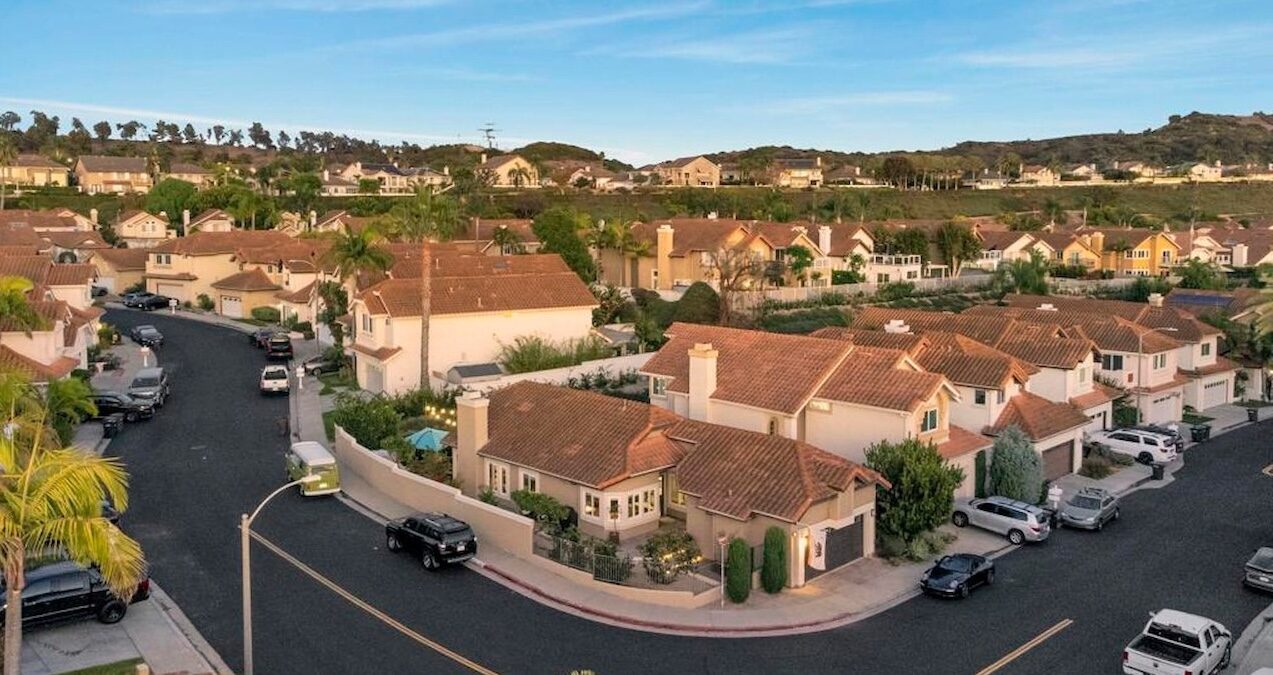
Choose a neighborhood by matching your top priority, whether walkability, newer construction, space, or views, to the area that fits it. San Clemente isn't one experience. Where you live changes your day more than almost any other choice. Here's a quick map to our neighborhood guides:
| If you want... | Look at | Why |
|---|---|---|
| To walk to the beach, pier, and restaurants | Downtown & Pier Bowl | The most walkable part of town, with vintage and newer coastal homes |
| Newer construction near trails | Sea Summit | A master-planned community on the former Marblehead Coastal property |
| More space on a hillside | Forster Ranch | A planned hillside community set back from the sand |
| A resident beach club and ocean-view lots | Shorecliffs | A 504-home neighborhood developed from 1960 |
| Parks, shopping, and amenities close by | Talega | A large master-planned community of 30+ neighborhoods |
| Elevation and views | Rancho San Clemente | A hillside community where orientation matters |
Read the full guides: Downtown & Pier Bowl, Sea Summit, Forster Ranch, Shorecliffs, Talega, and Rancho San Clemente. Or see them side by side.
Getting around and commuting
Most residents drive, but San Clemente has more options than many Southern California cities. The Amtrak Pacific Surfliner and Metrolink both serve the city, with the San Clemente and San Clemente Pier stations. Local buses run through the Orange County Transportation Authority, and the city has offered a free trolley service since 2016 per public sources, so check the city's current schedule.
Within the Pier Bowl and Downtown, many errands can be done on foot or by bike, and the beach trail is a pleasant way to cover a few miles. For the rest of town, plan on a car. If you commute, drive your real route at rush hour before you commit, because the 5 is the lifeline for most commuters.
Ready to see homes near the beaches, trails, and Downtown you just read about?
What to do for fun
Between the ocean, the trails, and Downtown, there's plenty to do. Our local guides cover the details:
- Beaches: North Beach, the pier, T-Street, Calafia, State Beach, and Trestles
- Parks and trails: the beach trail, Sea Summit Trail, and neighborhood parks
- Food and drink: brunch, coffee, tacos, seafood, and date-night spots
- Local tips: parking, train crossings, surf rules, and events
If you love the idea of walking the shoreline, our beach trail guide covers hours, length, and safety around the tracks.
See what homes are actually selling for right now. Read the market update
How much does it cost to live in San Clemente?
San Clemente isn't inexpensive. With a median single-family price around $2M, getting the monthly number right matters. Beyond the mortgage payment, plan for:
| Cost | What to check |
|---|---|
| Property taxes | They generally start from the purchase price, with local charges in some areas |
| Homeowners insurance | Get quotes early, especially for hillside or coastal homes |
| HOA dues | Ask what they cover and how often they change |
| Utilities and maintenance | Older homes cost more to keep up; coastal air is tough on exteriors |
| Closing and moving costs | Build them into your cash plan |
For independent, neutral guidance on mortgages and closing costs, the Consumer Financial Protection Bureau's Owning a Home resources are a good starting point. To see where prices are heading, read our latest market update.
Moving from out of town? Alex can set up video tours and a remote-friendly process. Plan a video tour
A simple relocation timeline
A relocation timeline runs from 3 to 6 months out, when you set your budget, to moving month, with a second visit and the escrow steps in between.
| When | What to do |
|---|---|
| 3 to 6 months out | Decide your budget, talk to a lender, shortlist neighborhoods |
| 2 to 3 months out | Visit twice: a weekday morning and a summer weekend |
| 6 to 8 weeks out | Tour homes, review comps, make offers |
| During escrow | Inspections, disclosures, insurance, utilities |
| Moving month | Schedule movers, update your address, explore |
Timelines vary, and some buyers move much faster. The point is to leave room for a second visit, because the second visit is when the real picture emerges.
A year in San Clemente
A year in San Clemente runs from a cool winter and pleasant spring to a warm, busy summer and a calm fall. Knowing the town's rhythm helps you decide when to visit and what to expect once you live here. This isn't a precise calendar, and details change, but it captures the general flow.
| Season | What it feels like | Good to know |
|---|---|---|
| Winter (Dec to Feb) | Coolest stretch; December highs near 64°F | Some guides suggest Jan to Mar for whale spotting |
| Spring (Mar to May) | Pleasant, fewer crowds | Coastal mornings can be gray |
| Summer (Jun to Aug) | Warmest and busiest; August highs near 79°F | Ocean Festival in July; parking tightens |
| Fall (Sep to Nov) | Often calm and warm | Thinner crowds after summer |
If you can, visit during the season you'd least expect to love. If you can handle a crowded July weekend and a gray May morning, you'll be happy the rest of the year.
Your first month in town
In your first month, walk your neighborhood, find your everyday spots, learn the beach rules, meet your neighbors, and explore a new trail or park each week. The first weeks after a move set the tone. A few simple steps make San Clemente feel like home faster.
- Walk your neighborhood at different times. Notice parking, noise, and how busy the streets are on a weekday and a weekend.
- Find your everyday spots. Locate the nearest grocery store, a go-to coffee shop, and a place for a quick dinner. Our food and drink guide is a good start.
- Learn the beach rules. Parking, surf hours at certain spots, and train crossing safety are all worth knowing. See our local tips.
- Meet your neighbors. Neighborhoods with an HOA often have community events and a management office that can answer questions.
- Explore one new trail or park a week. There's a lot of open space, from the beach trail to neighborhood parks.
Mistakes relocating buyers make
Relocating buyers most often make one sunny visit, ignore total monthly cost, underestimate the commute, overlook condition, fall for one view, or skip neighborhood research. After seeing many moves, certain patterns come up again and again. Avoiding these puts you ahead of most people.
| Mistake | Why it hurts | Better move |
|---|---|---|
| One sunny visit | Misses gray mornings and crowds | Come back in another season |
| Ignoring total monthly cost | Taxes, insurance, and dues change the payment | Budget the full cost |
| Underestimating the commute | Maps hide rush-hour reality | Drive it at your real hours |
| Overlooking condition | Great locations can hide repairs | Always inspect |
| Falling for one view | Views vary lot by lot | Check at the time of day you will use it |
| Skipping neighborhood research | The area shapes daily life more than the house | Read the neighborhood guides |
None of these are fatal, but each can turn a dream move into a frustration. A little preparation goes a long way, and that's what a good local agent helps with.
Is San Clemente good if you work from home?
San Clemente can work well if you work from home, as long as you plan for a dedicated office, reliable internet, and a commute test for any hybrid days. Plenty of people choose San Clemente because they can work remotely and want the coast as their backdrop. If that's you, think beyond the house itself. A dedicated office or a flexible room matters more than most buyers expect, and so does reliable internet, so ask the seller or agent which providers serve the address and what speeds are available.
Also think about your daily break. A walk on the beach trail at lunch, a coffee on Avenida Del Mar, or a quick trip to a neighborhood park can make a remote day feel very different. Areas close to the coast make that easy; inland planned communities trade that for space and amenities. Neither is wrong, but it's worth deciding what your ideal workday looks like before you choose where to live.
Finally, consider how often you'll need to be somewhere in person. A hybrid schedule with two or three office days a week makes the commute on the 5 matter again, so test it at the hours you'd actually drive.
Settling in: the practical paperwork
After moving, update your address, schedule utilities, and check the California DMV's requirements for your license and registration. Once the boxes are unpacked, a handful of administrative tasks make everything smoother. None are glamorous, but doing them in your first few weeks saves headaches later. Start with the essentials and work outward, and keep a folder with confirmations for each.
Update your address with the post office, your bank, your employer, and any subscriptions. Schedule utility start dates before you move so power, water, trash, and internet are ready when you arrive. If you're coming from another state, look up the current requirements for updating your driver's license and vehicle registration on the California DMV's website, since deadlines and documents can change.
Then look at the local side: find your nearest grocery store, pharmacy, and urgent care, and bookmark the City of San Clemente website for services, parks, and events. A short walk around your new neighborhood on the first weekend, with a coffee in hand, tells you more about daily life than any checklist.
Getting around without a car
Most residents drive, but San Clemente makes it easier than many Southern California cities to do without a car some of the time. Two train services stop in town: the Amtrak Pacific Surfliner, which you can explore at pacificsurfliner.com, and Metrolink commuter trains, with schedules at metrolinktrains.com. Local buses run through the Orange County Transportation Authority, and the city has offered a free trolley service since 2016 per public sources, so check current routes with the city.
Within the Pier Bowl and Downtown, you can walk to coffee, dinner, and the beach, and the beach trail connects several of the best spots without touching a road. If a car-light life appeals to you, start your search in Downtown and the Pier Bowl. If you want a larger home on a planned street, areas like Talega and Forster Ranch trade walkability for space.
Preparedness: knowing the risks before you buy
Every part of California has natural hazards, and a smart move includes understanding them. This isn't a reason to hesitate; it's the same diligence you'd do anywhere. Earthquakes affect all of Southern California, so it's worth reading the USGS Earthquake Hazards Program to understand the basics and asking about the age and retrofit status of any home you tour.
Fire and flood matter in some areas more than others. The state publishes fire hazard severity zone maps that show where wildfire risk is higher, and the FEMA Flood Map Service Center lets you look up a specific address. Coastal and hillside homes can also face erosion, drainage, and slope questions, and the California Coastal Commission explains coastal permitting if you plan to remodel.
- Ask for the natural hazard disclosure. California sellers provide one, and it flags known hazard zones for the property.
- Get insurance quotes early. Premiums and availability vary by location, and the California Department of Insurance offers consumer information.
- Make a household plan. Know your evacuation routes, keep supplies on hand, and save key phone numbers.
- Talk to your inspector. Ask specifically about drainage, slopes, retaining walls, and foundation condition.
None of this should dim your enthusiasm. It's simply part of buying responsibly in a place with this much natural beauty. Our buying guide goes deeper on inspections and disclosures.
Finding your community
You find your community by following local news, checking the city's calendar, and sticking with one regular activity. A town this size rewards people who show up. Local news is a good first step, and the San Clemente Times covers city decisions, events, and neighborhood stories in a way that helps newcomers get oriented. The city's own calendar at sanclemente.gov lists classes, programs, and events, and our local tips guide rounds up recurring favorites like the Ocean Festival and the farmers market.
Pick one regular activity and stick with it for a month. A morning walk on the beach trail, a weekly class, or a standing coffee at the same cafe is often enough to start recognizing faces. Many people say the town feels smaller, in a good way, after a few weeks of repetition, and your favorite spots from our food and drink guide can become that anchor.
A local checklist before you commit
Before you commit, visit twice, drive your commute at rush hour, confirm HOA dues, check the view in person, and get pre-approved.
- Visit twice: a weekday morning and a summer weekend
- Drive your actual commute during rush hour
- Ask for HOA dues and any special assessments
- Check the view in person at the time of day you'll use it
- Walk or drive to the beach, grocery store, and coffee shop from the home
- Get pre-approved before you tour
- Read the neighborhood guide for the area you like
Tell Alex what you're looking for and get a plan for your budget and timeline. Talk to Alex
Official resources worth bookmarking
Worth bookmarking are the City of San Clemente, the San Clemente Times, the Casa Romantica Cultural Center, and San Clemente on Wikipedia.
- City of San Clemente: services, parks, events, and city information
- San Clemente Times: local news and community coverage
- Casa Romantica Cultural Center: art, events, and history
- San Clemente on Wikipedia: history, climate, and transportation background
Whatever you decide, give yourself time. A town this appealing deserves a thoughtful move. When you're ready to look at homes, we'll help you match your priorities to the right neighborhood and the right house.
Frequently asked questions about this topic
Is San Clemente a good place to live?
Many residents love its beaches, walkable Downtown, and small-town feel. Tradeoffs include traffic on the 5, summer crowds, and a high cost of living.
How much does it cost to buy a home in San Clemente?
The median price is around $2M, and about 70% of inventory is single-family homes. See our market update for the latest figures.
What is the weather like?
A Mediterranean climate, with August highs around 79°F and December highs around 64°F, plus gray coastal mornings at times.
Can I commute by train?
Yes. The Amtrak Pacific Surfliner and Metrolink both serve San Clemente, with stations in town.
Which neighborhood should I choose?
It depends on how you want to live. Start with our neighborhood guides and visit the areas you like.
Do I need a car?
Most residents drive, but Downtown and the Pier Bowl are walkable for many errands.
How do I start the process?
Get pre-approved, shortlist neighborhoods, visit twice, and talk to a local agent. You can start with the contact form.
Want a current San Clemente listing search, recent sales for your street, and a full carrying-cost comparison at your budget?
Alex Yu
My approach is simple: educate first, advise second. I'll give you an honest, block-by-block read on San Clemente so you can make the best-informed decision, whether you're buying, selling, or just exploring.
Further reading
Figures are from the cited sources and change over time. Confirm current details with Alex or the MLS before making decisions.